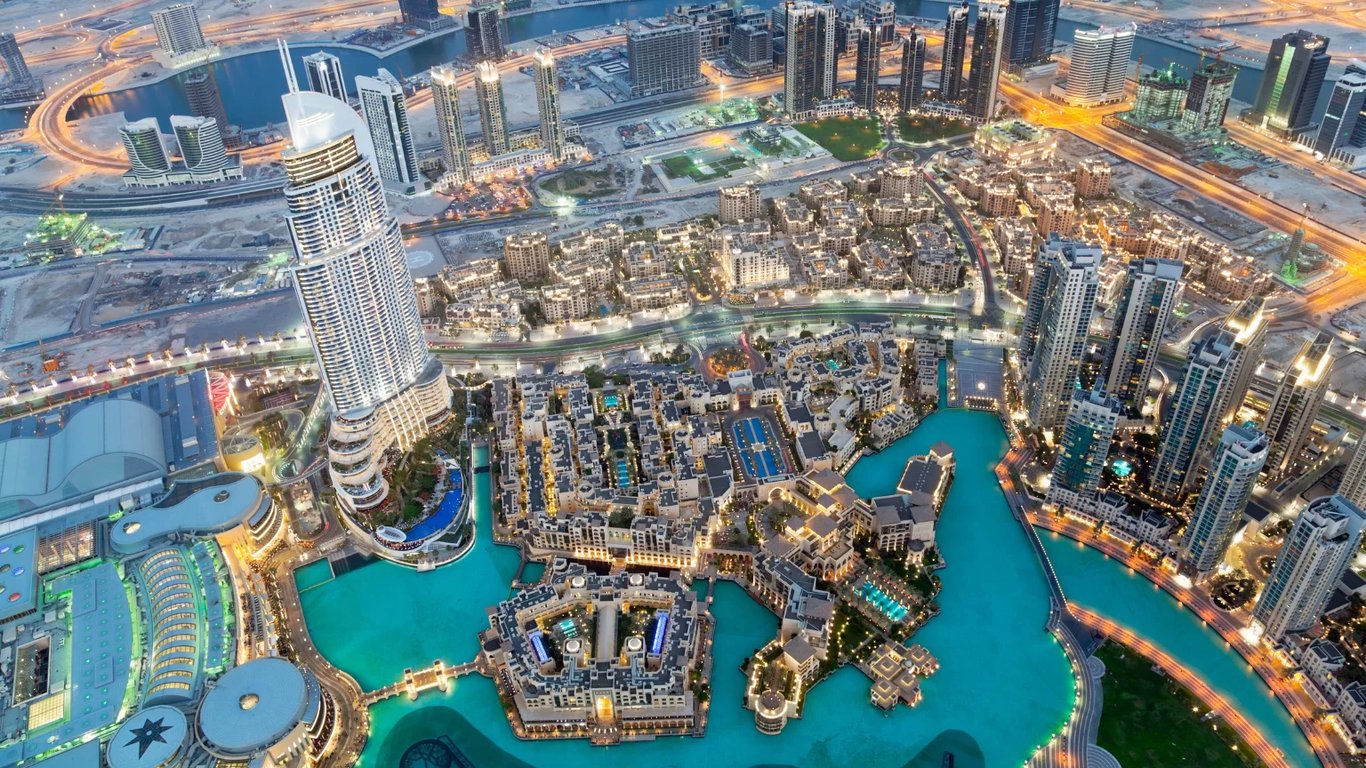
The UAE real estate market has recorded massive momentum during the first half of 2026, characterized by surging transaction values in both Dubai and Abu Dhabi, key regulatory changes, and a wave of new design-led project launches.
Dubai’s real estate sector recorded more than AED 286.44 billion (USD 78 billion) in property sales in the first six months of the year, according to data from the Dubai Land Department. That’s slightly lower than the record-breaking first half of 2025 but still the second-best first-half sales performance in the emirate’s history. With mortgages and property gift transactions, Dubai had a real estate transaction value of AED 419.94 billion across 112,850 deals.
Ready-built homes accounted for AED 146.7 billion of sales in Dubai, market analysts say. Off-plan transactions contributed AED 139.8 billion in 58,800 deals. Industry experts cite this steady demand as being due to solid economic fundamentals, population growth, and increased investor confidence from local and international buyers.
An important catalyst for this growth is Dubai’s change in its two-year investor residency visa policy. Previously, AED 750,000 was the minimum property value for sole freehold owners. Now, anyone who owns a completed residential unit can apply for the residency visa irrespective of its market value, leading to huge demand for studios and one-bedroom apartments in new communities such as Jumeirah Village Circle, Dubai South, and Dubailand.
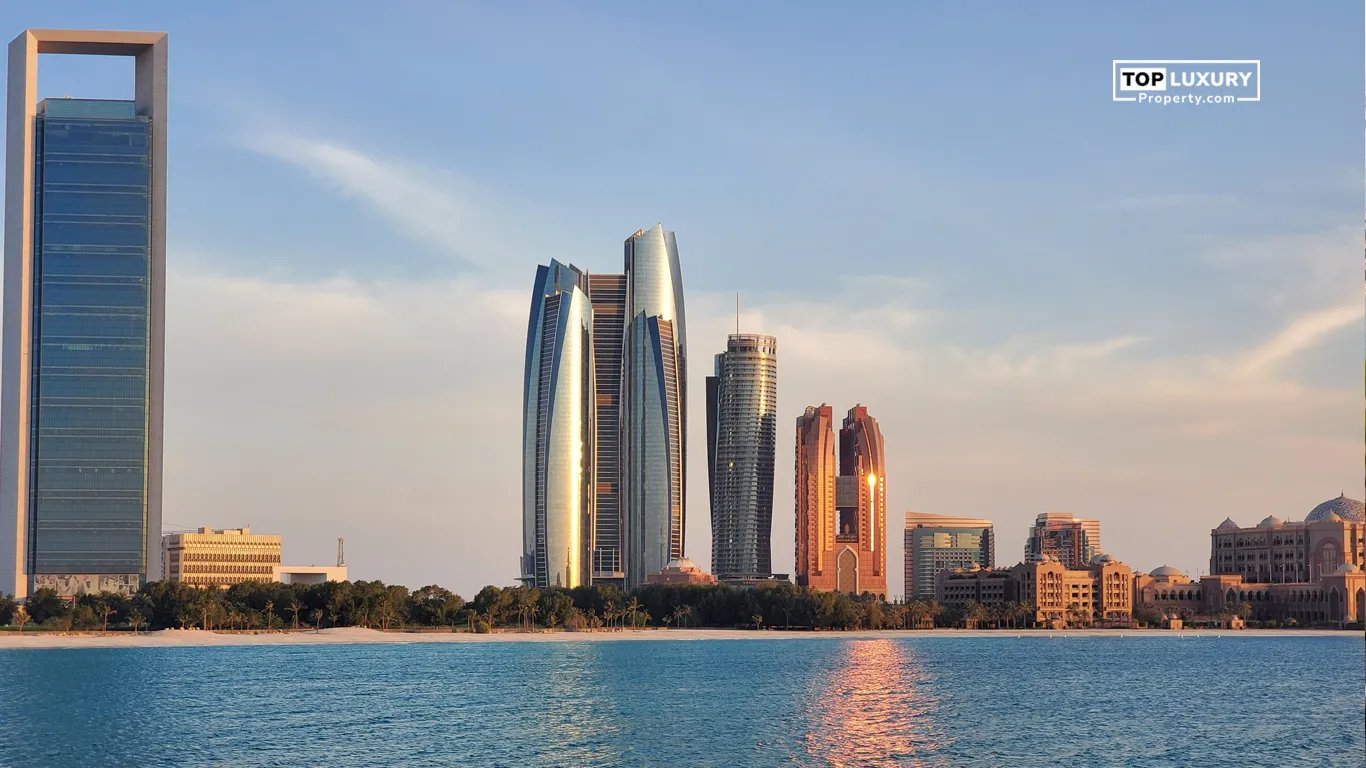
Parallel to this, sales in Abu Dhabi’s residential property market jumped by AED 84.49 billion in the first half of 2026. That’s a 173.9% increase in transaction value and a 103% increase in volume from a year ago. There were 16,585 apartment and villa deals in the nation’s capital, which will beat the previous annual record of 2025.
Another Data shows that off-plan sales accounted for 78% of transactions in Abu Dhabi. With 4,545 individual sales, Al Reem Island was the most active area by volume. But Al Hudayriyat topped the capital in terms of total sales value, with AED 18.95 billion in transactions. Together with Yas Island and Al Saadiyat Island, these four premier zones accounted for more than 67% of all residential deals in Abu Dhabi.
In the context of this broader market expansion, some architectural and development milestones have been unveiled. Developers are capitalizing on the demand in active districts. As for high-transaction communities, Object 1 unveiled Sky Level 1 at Jumeirah Village Circle, a 42-storey mixed-use tower with AI-powered wellness zones and sky-inspired leisure amenities. In a similar path, Acube Developments has launched ZETA by Acube Developments in Liwan along the Dubailand corridor, featuring fully furnished, turnkey apartments for end-users and yield-seekers. Recently, Octa Properties, in collaboration with Marriott International, launched Dubai Creek Gardens, featuring the UAE's first Westin Residences and Renaissance Residences in Dubai Healthcare City Phase 2, Al Jaddaf.
In Emaar South, master developer Emaar launched Emaar Golf Trails, a 12-storey residential development in the southern growth corridor near Al Maktoum International Airport. Nature-led and wellness-focused master plans remain popular with buyers in the emirate. After selling out in 24 hours, Beyond Developments of the Omniyat Group officially opened Arancia Yards Phase 2 in its City of Arabia community. Such a nature-first approach aligns with 10 Design’s new mid-rise canopy living concept for “The Cape” in Al Barari , featuring natural wind cooling, and Zoya Developments fast-tracking execution its Calisi in Dubai South just 30 days after launch.
Meanwhile, Abu Dhabi’s Al Reem Island is getting more upscale architecture. Five exclusive waterfront homes along the French Riviera are part of developer Mered’s “Bay Villas” collection. They are part of the larger Riviera Residences project and were designed by London-based Dseesion and Pritzker Prize-winning architects Herzog & de Meuron. They are characterized by private internal courtyards that mix Mediterranean design with regional Emirati living traditions.
Beyond residential developments, the UAE remains committed to culture and public works. Here in Sharjah, Al Noor Island, developed by the Sharjah Investment and Development Authority (Shurooq) in the Khalid Lagoon, is an excellent example of this vision. It combines art installations by international and local artists, architectural design, and environmental education through the Butterfly House to create a place where culture meets urban life.