Yes, Dubailand can be a good area for property investment in 2026, particularly for buyers looking for long-term capital growth, family housing, relatively accessible entry prices and exposure to Dubai’s expanding infrastructure network. The investment potential is strengthened by major road upgrades, new transport infrastructure across the wider eastern and central parts of Dubai, continued residential development, schools, retail destinations and a growing range of villas, townhouses and apartments.
What Is Dubailand?
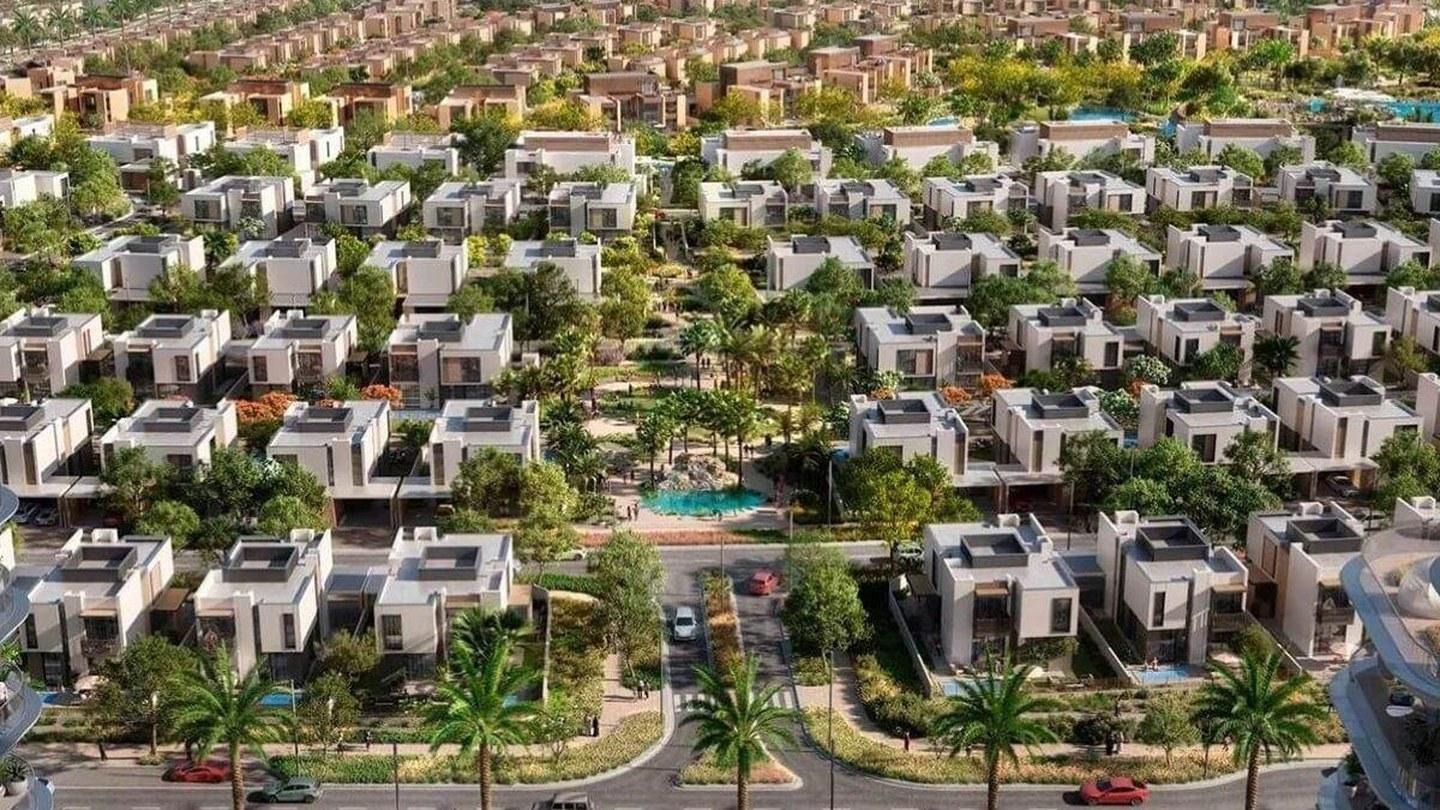
Dubailand is a master-planned development zone located in southern Dubai, established in October 2003 by Tatweer and subsequently managed by Dubai Properties. The initial plan focused on themed attractions, sports facilities, eco-tourism, and extensive retail developments. Following the 2008 financial realignment, development priorities shifted toward mid-market residential real estate.
Dubailand at a Glance
|
Attribute |
Detail |
|
Launched |
October 2003, by Tatweer (later Dubai Properties) |
|
Master developer |
Dubai Properties / Dubai Holding + private developers |
|
Approximate size |
About 278 km2 |
|
Ownership |
Freehold, open to all nationalities |
|
Property mix |
Studios to 4-bed apartments; 3 to 6 bed townhouses and villas |
|
Apartment price, Sep 2026 |
AED 1,459/sq ft, +13.34% year on year |
|
Villa price, Sep 2026 |
AED 1,676/sq ft, up from AED 1,000 in Sep 2024 |
|
Typical gross yield |
6% to 8%, depending on community and unit type |
|
Metro today |
None |
|
Main roads |
Sheikh Mohammed bin Zayed Road (E311), Dubai-Al Ain Road (E66), Emirates Road (E611), Al Qudra Road (D63) |
Where Is Dubailand Located?
Dubailand encompasses the southern inland sector of Dubai, bounded by Sheikh Mohammed bin Zayed Road (E311) to the west, Emirates Road (E611) to the east, and intersected by Dubai-Al Ain Road (E66). Al Qudra Road (D63) serves as a key arterial link within the district.
The surrounding districts influence local tenancy profiles. Dubai Silicon Oasis is situated directly to the east, while Dubai Sports City and Motor City lie to the west. Global Village and IMG Worlds of Adventure are contained within the broader zone. Downtown Dubai and Business Bay are directly accessible via the E311 or E66 corridors.
|
Destination |
Approximate drive, off-peak |
|
Dubai Silicon Oasis |
10 to 15 min |
|
Global Village / IMG Worlds |
10 to 15 min |
|
Downtown Dubai / Burj Khalifa |
20 to 25 min |
|
Dubai Mall |
20 to 25 min |
|
Business Bay |
20 to 25 min |
|
Dubai International Airport (DXB) |
25 to 30 min |
|
Dubai Marina / JBR |
30 to 35 min |
|
Al Maktoum International (DWC) |
30 to 40 min |
|
Expo City Dubai |
30 to 35 min |
Commute times increase by fifteen to twenty-five minutes during peak travel periods along the E311 and E66 corridors. Current infrastructure initiatives are specifically designed to mitigate these transit delays.
Why Is Infrastructure So Important for Dubailand Property Investment?
Infrastructure is one of the most important factors affecting Dubailand property prices, rental demand and long-term investment potential. New roads and upgraded intersections can improve access to employment centres, reduce journey times and make residential communities more practical for daily living.
Dubai's Roads and Transport Authority (RTA) has announced several major road development initiatives relevant to Dubailand and surrounding growth areas. These include the AED 16 billion 2024–2027 Main Roads Development Plan, the Latifa Bint Hamdan Corridor and the New Fourth Corridor approved in September 2026.
1. Dubai–Al Ain Road Infrastructure
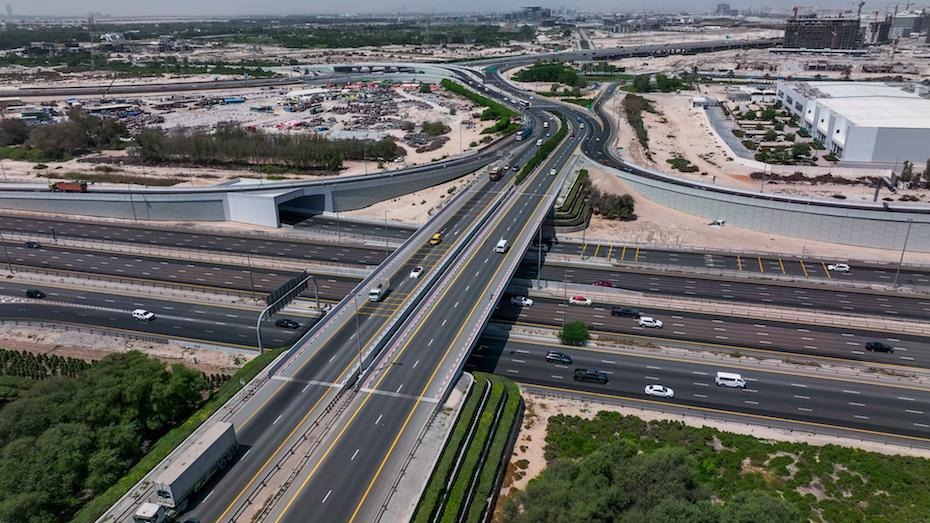
Dubai–Al Ain Road is an important transport route for communities in inland Dubai, including Dubailand Residence Complex, Liwan and nearby residential developments. Its connectivity with other arterial roads influences access to Dubai Silicon Oasis, Academic City and employment destinations across the emirate.
RTA's Dubai–Al Ain Road improvement project included widening the road from three to six lanes in each direction over a 17-kilometre section, constructing service roads and developing six free-flow intersections. The stated benefits included reducing travel time on the relevant section from 16 minutes to eight minutes and increasing road capacity.
How this affects property investment:
-
Rental demand: More convenient commuting can improve the attractiveness of nearby homes to working professionals and families.
-
Property prices: Better access can support buyer interest, although price appreciation depends on market demand and existing valuations.
-
Residential development: Improved road access can make additional housing projects more practical to develop and occupy.
-
Daily convenience: Service roads and upgraded junctions can make entry and exit easier for residents.
The investment benefit is strongest when the property has convenient access to the improved section. Investors should still assess peak-hour congestion, junction access and alternative routes rather than relying solely on the road's overall capacity.
2. Latifa Bint Hamdan Corridor Development Project
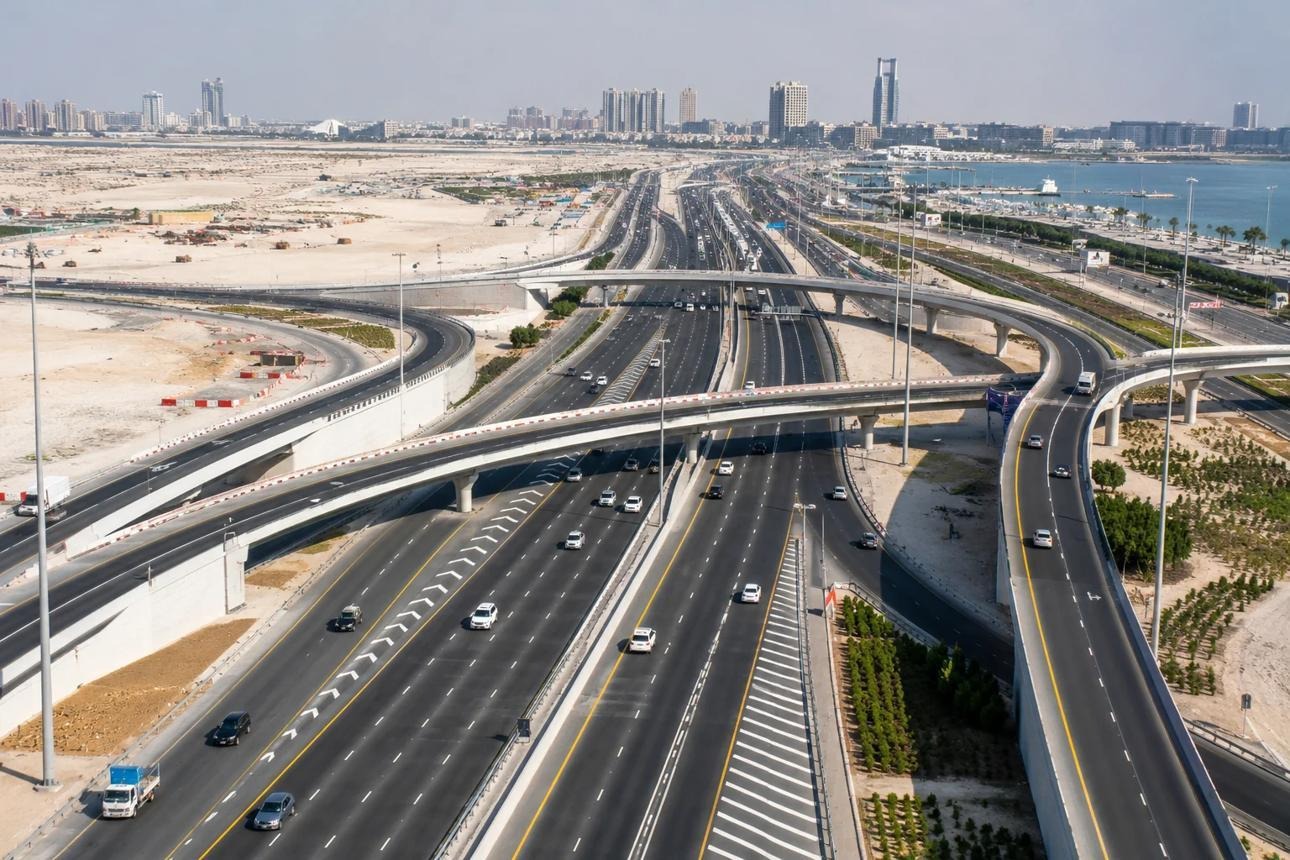
The Latifa Bint Hamdan Corridor is one of the most relevant infrastructure developments to examine when evaluating Dubailand investment opportunities in 2026.
In July 2026, RTA awarded a contract worth AED 2 billion for the development of a 12-kilometre corridor connecting six major roads. The project includes seven bridges, eight tunnels and an expanded road network intended to improve east-west connectivity. Completion is expected by the end of 2028.
|
Project specification |
Details |
|
Investment |
AED 2 billion |
|
Corridor length |
12 km |
|
Major structures |
7 bridges and 8 tunnels |
|
Expected completion |
End of 2028 |
|
Expected traffic capacity |
Around 16,000 vehicles per hour in both directions |
|
Estimated journey-time reduction |
From 33 minutes to 15 minutes on the specified route |
The corridor is designed to improve connections among Al Khail Road, Al Meydan Street, Sheikh Mohammed bin Zayed Road, Sheikh Zayed bin Hamdan Al Nahyan Street and Emirates Road. RTA identifies Living Legends, Majan, Al Barari, Nad Al Sheba and other residential and development areas among the locations expected to benefit.
3. RTA's 2024–2027 Main Roads Development Plan
Dubai's wider infrastructure programme also supports the long-term investment outlook for residential districts outside the central business areas.
The Main Roads Development Plan 2024–2027 serves as the overarching infrastructure framework, allocating AED 16 billion across 22 projects designed to serve over six million residents. Official progress tracking indicates the plan is approximately 20% complete, with several key components directly impacting Dubailand:
-
Latifa bint Hamdan Street, 12,200m from Al Khail Road to Emirates Road
-
Umm Suqeim and Al Qudra Streets, a 16,000m stretch from Jumeirah Street to Emirates Road
-
Al Fay Street, 12,900m and five intersections, running from Al Khail Road through Sheikh Zayed bin Hamdan Al Nahyan Street to Emirates Road, at roughly AED 1.5 billion
-
Al Meydan Road, 10,600m of road, 3,300m of bridges and three tunnels totalling 1,500m
Additionally, an AED 3.7 billion internal road strategy spanning 2025 to 2029 will add 634 kilometers of localized road networks across 21 projects in 12 districts.
4. New Fourth Corridor Project Approved in September 2026
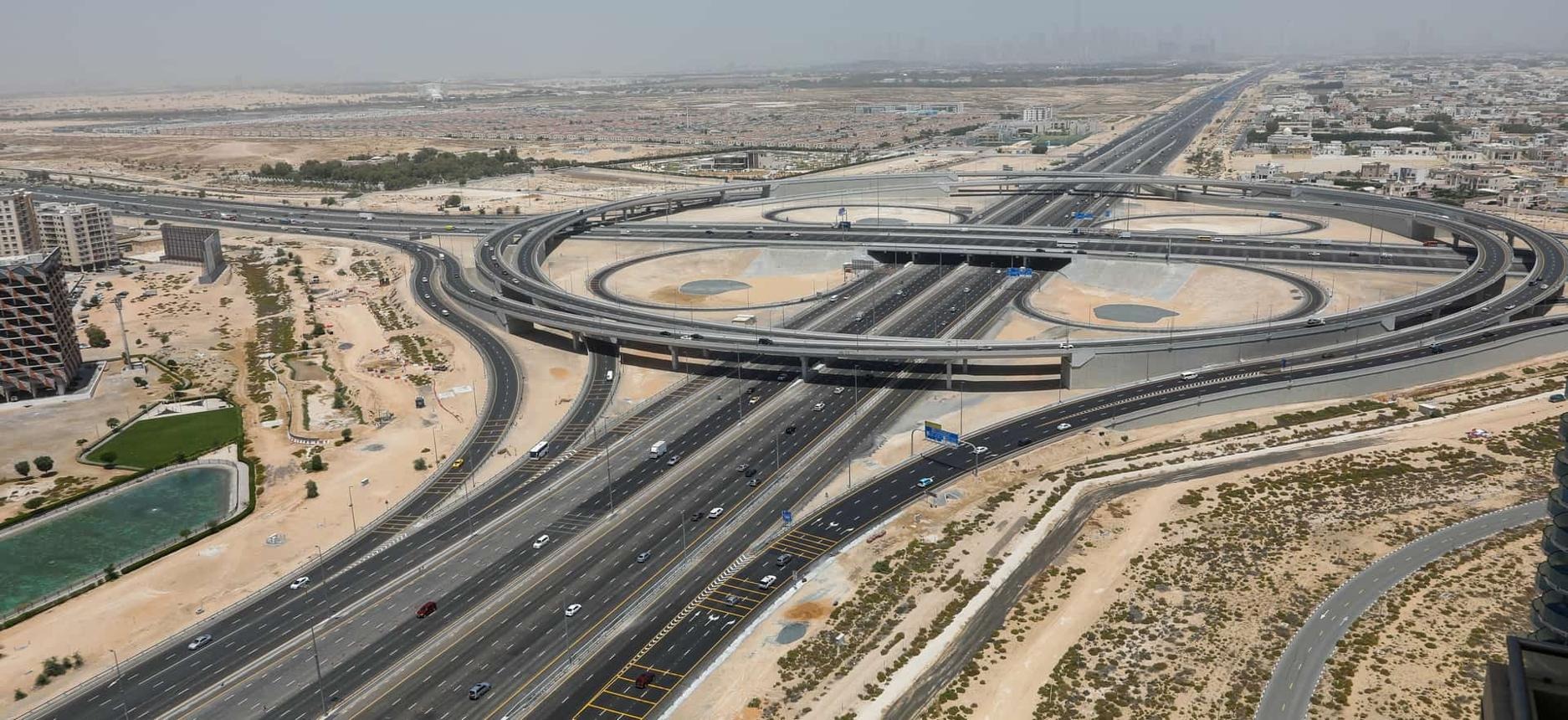
Dubai approved the New Fourth Corridor project in September 2026. The planned corridor will extend approximately 80 kilometres between Al Faya Road in Abu Dhabi and Al Shanouf Road in Sharjah, with implementation divided into two phases. The first phase is planned to connect Al Shanouf Road with Dubai–Al Ain Road.
The first phase has an estimated cost of AED 3.5 billion and is designed to provide a 12-lane corridor across both directions. RTA estimates that journey time along the specified section will fall from 35 minutes to 14 minutes once the relevant improvements are delivered. The project also includes widening part of Dubai–Al Ain Road between Emirates Road and Lehbab Road
Investors who rely on metro access must therefore accept a multi-year wait, and they should treat the Gold Line route as unconfirmed for Dubailand until final alignments are published.
What Facilities Are Available in Dubailand?
Community amenities directly affect long-term tenant retention and rental performance. While accessibility to essential services in Dubailand has improved significantly, coverage remains varied across sub-communities. Central and eastern zones feature established infrastructure, whereas western peripheral areas remain in development.
Shopping Facilities in Dubailand
Dubai Outlet Mall, situated at Umm Nahad First along Dubai-Al Ain Road near the E611 junction, opened in 2007. Encompassing approximately 102,193 square meters with 753,230 square feet of gross leasable area, it houses roughly 240 retail outlets and over 1,200 brands, serving as a primary commercial anchor for the district.
Cityland Mall, located adjacent to Global Village, represents a major retail addition featuring a nature-inspired design, over 300 retail units, an open-air central park, and an extensive food and beverage offering, serving as a primary shopping destination for local residents.
Complementary retail offerings include The Village Community Mall, Dragon Mart in adjacent International City, and neighborhood retail centers integrated into master communities. Supermarket chains such as Spinneys, Carrefour, and Choithrams operate across established zones, providing local convenience. Downtown Dubai and Dubai Mall are situated approximately 25 to 30 minutes away by vehicle.
Entertainment Near Dubailand
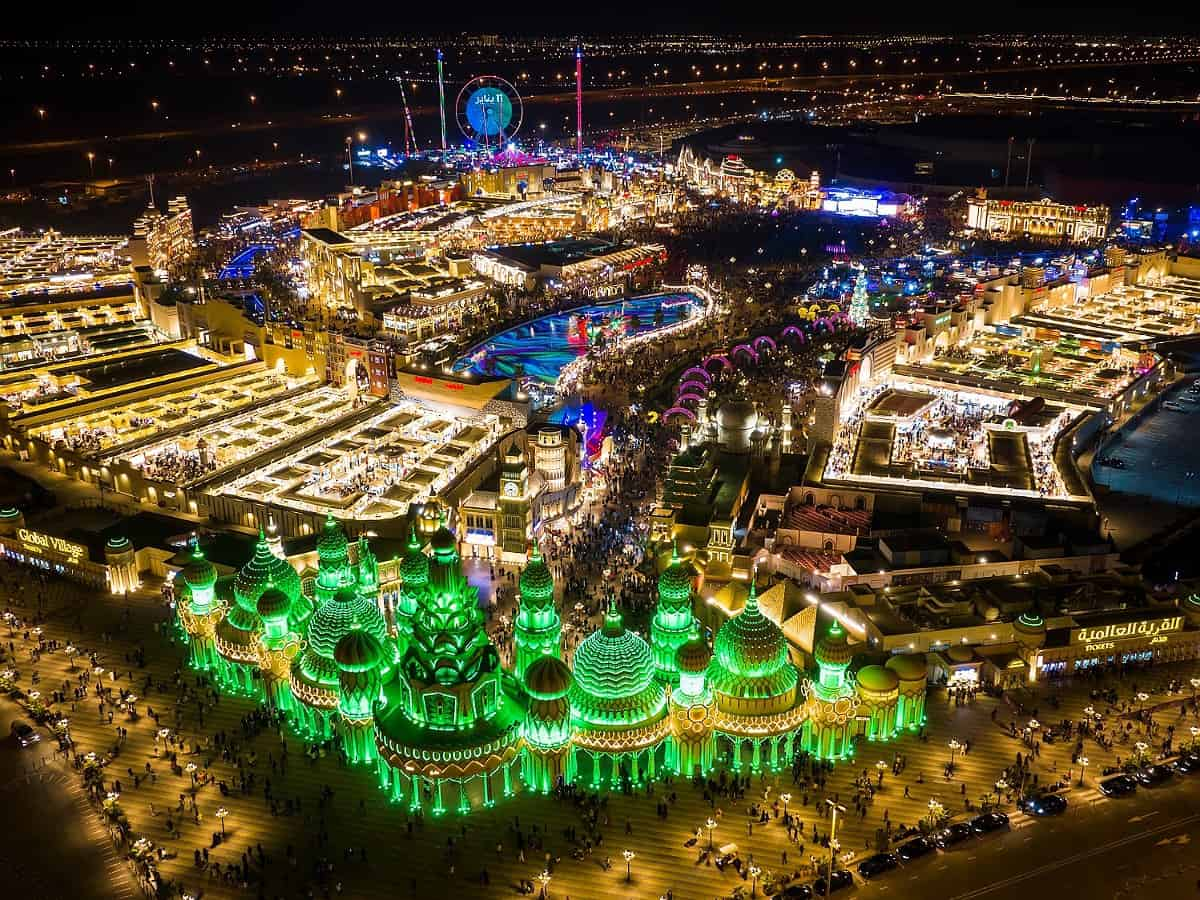
The original master plan emphasized leisure and tourism infrastructure, creating a concentration of regional attractions that support short-term rental demand.
-
Global Village: A major seasonal cultural, entertainment, and commercial destination in the UAE.
-
IMG Worlds of Adventure: A fully enclosed, climate-controlled indoor theme park operating year-round.
-
Dubai Miracle Garden and Dubai Butterfly Garden: Prominent seasonal botanical attractions drawing high visitor volumes.
-
Dubai Autodrome: A multi-use motorsport facility and karting circuit situated in neighboring Motor City.
-
Al Habtoor Polo Resort & Club: A equestrian development featuring championship polo fields, boarding facilities, and a luxury resort.
-
Al Marmoom Desert Conservation Reserve and Al Marmoom Heritage Village: Destinations dedicated to desert eco-tourism, cycling, and traditional sports.
-
Dubai Sports City: A multi-venue sports complex incorporating a international stadium, athletic academies, and golf facilities.
The proximity and density of these regional recreational facilities provide a consistent driver for short-term and holiday home rental strategies.
Schools in Dubailand
Educational infrastructure serves as a major driver of family tenant demand, contributing significantly to rental stability and occupancy rates in Dubailand’s residential villa communities.
|
School |
Curriculum |
Where |
|
GEMS FirstPoint School |
British (National Curriculum for England) |
The Villa, Dubailand |
|
The Aquila School |
British / IB |
Dubailand (ISP flagship) |
|
GEMS Heritage Indian School |
Indian (CBSE) |
Dubailand |
|
Lycee Francais International Georges Pompidou |
French |
Nearby |
|
Dubai English Speaking College |
British |
About 4 km |
|
Repton School Dubai |
British |
About 11 km |
|
Dunecrest American School |
American |
About 13 km |
|
Fairgreen International School |
IB |
About 18 km |
Higher education facilities are also accessible, with Dubai International Academic City and institutions such as the University of Balamand Dubai located within a short commuting distance.
Healthcare Facilities in DubaiLand
Primary medical care and outpatient services are well-established within the area. However, tertiary emergency care requires travel to neighboring districts. Facilities such as Aster Clinic in Skycourts and various community health centers accommodate routine needs. Fakeeh University Hospital in nearby Dubai Silicon Oasis serves as the primary acute care facility for eastern sub-communities. Mediclinic Parkview Hospital in Al Barsha South, along with NMC Royal Hospital and Emirates Hospital Day Surgery in Motor City, serve western sub-communities within a 15- to 25-minute drive. Mediclinic City Hospital in Dubai Healthcare City is located approximately 20 kilometers away.
Investors targeting family demographics should evaluate hospital response times and proximity to emergency services, as healthcare accessibility remains a key consideration for prospective tenants.
What Are the Dubailand Property Price Trends in 2026?
As of September 2026, residential apartments in Dubailand average AED 1,459 per square foot, while villa properties average AED 1,676 per square foot. Both asset classes have experienced notable price appreciation, with the villa sector demonstrating particularly rapid growth.
|
Segment |
Sep 2026 |
12 months ago |
24 months ago |
24-month change |
|
Apartments |
AED 1,459/sq ft |
AED 1,287/sq ft |
AED 1,299/sq ft |
+12.3% |
|
Villas |
AED 1,676/sq ft |
AED 1,320/sq ft |
AED 1,000/sq ft |
+67.6% |
Apartment valuations increased by 13.34% over the trailing twelve-month period. Studio units averaged AED 1,639 per square foot, whereas one-bedroom units averaged AED 1,461 per square foot. Across various residential towers in Dubailand, building-level price indices ranged from AED 1,235 to AED 2,097 per square foot. This 70% valuation variance between individual buildings within the same district underscores the necessity of granular asset-level analysis.
For comparative context, citywide real estate benchmarks in Dubai during 2026 ranged between AED 1,692 and AED 1,976 per square foot, depending on calculation methodology and property type inclusion. While Dubailand continues to trade at a discount relative to the broader market average, this pricing gap has narrowed substantially compared to 2023 levels.
Entry Price Points by Community
|
Community |
Typical price/sq ft |
Entry point |
Character |
|
Liwan |
About AED 1,109 |
AED 400K+ |
Cheapest real inventory, near DSO |
|
Majan |
About AED 936 |
AED 500K+ |
Newer, strong yield |
|
About AED 1,100 to 1,400 |
AED 449K to 727K (studio) |
Highest-yield apartment pocket |
|
|
DLRC |
About AED 1,200 to 1,500 |
AED 520K+ (studio) |
Heavy off-plan supply |
Final Verdict: Should You Invest in Dubailand?
Acquisitions should be driven primarily by recurring rental income fundamentals. Capital growth expectations must remain conservative, given the substantial appreciation already realized across the villa sector.
|
Factor |
Score |
Comment |
|
Entry price |
Strong |
From about AED 400K, still below citywide averages |
|
Rental yield |
Strong |
6% to 8.7% gross in the better communities |
|
Capital growth outlook |
Moderate |
Major historic gains realized; future projections should model single-digit annual growth rates. |
|
Roads |
Strong |
Four fully funded RTA road programs slated for completion by 2028. |
|
Public transport |
Weak |
Absence of direct metro infrastructure within the district; adjacent stations opening 2029. |
|
Schools and family amenities |
Strong |
Established educational institutions integrated within multiple sub-communities. |
|
Healthcare |
Moderate |
Local outpatient clinics available; tertiary hospitals located 15 to 25 minutes away. |
|
Supply risk |
Weak |
Substantial off-plan supply pipeline creating potential long-term rental rate competition. |
|
Rules and buyer protection |
Strong |
Established regulatory framework incorporating Escrow accounts, RERA oversight, the Smart Rental Index, and Oqood registration. |
|
Ease of resale |
Moderate |
High transaction liquidity in the apartment market; longer resale absorption periods for villa stock. |
Note: Figures as at September and October 2026. Property data from Bayut's Dubailand sale indices, DLD transaction data and published RTA project announcements. Market conditions change, so check current figures and project timelines before committing money. This is general information, not financial or legal advice. Take professional advice on your own situation.