
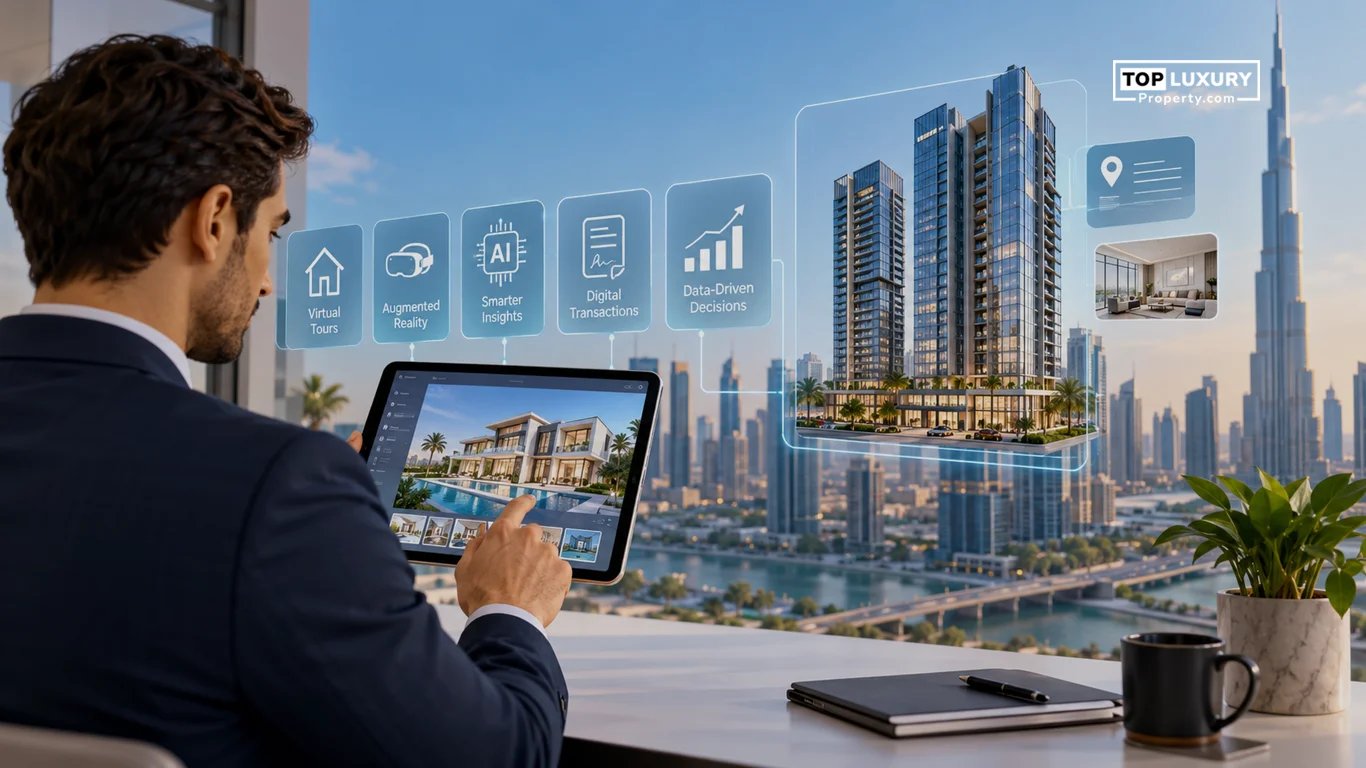
Technology is changing the real estate industry at every step of a property deal. Buyers now search homes online, tour them in 3D from a phone, and get price help from AI. Sellers reach a wider crowd through digital listings and drone photos. Investors read market data to spot strong areas before prices climb. Blockchain and smart contracts make deals faster and safer, while smart homes add comfort and value. In short, tech has made buying, selling, renting, and managing property quicker, clearer, and more open than before. This guide breaks down each change in plain terms, with a close look at what it means for buyers and investors in Dubai.
Key Takeaways
-
Most home searches now start online, on a portal or an app.
-
Virtual tours let buyers view homes from anywhere in the world.
-
AI helps with pricing, search, and instant answers through chatbots.
-
Market data helps investors pick areas with strong growth and rent.
-
Blockchain makes ownership records safer and deals faster.
-
Smart homes cut bills, add safety, and help a home sell.
-
Dubai is a leader in property tech, with global buyers' deals done online.
What Is PropTech, and Why Does It Matter?
PropTech means property technology. It is the mix of apps, software, and smart devices that help people buy, sell, rent, and manage homes. The list keeps growing. It now covers search portals, virtual tours, AI price tools, smart home gadgets, and online payment systems.
The point of PropTech is easy to grasp. It saves time, cuts paperwork, and gives buyers more facts before they commit. A deal that once took weeks of phone calls can now start with a few taps on a screen.
Dubai is a strong example. Reports point to a real shift in how buyers search, check, and invest. The Dubai Land Department has even rolled out AI tools with Google Cloud and Microsoft to speed this along.
For buyers, sellers, and investors, the message is clear. Tech is no longer a nice extra. It shapes how the whole market works day to day.
How Are Online Portals and Apps Changing Home Search?
Not long ago, finding a home meant driving around and reading paper ads. That world is gone. Today, most searches begin online.
Property portals let you filter by price, area, size, and type in seconds. You can save homes, compare them side by side, and set alerts for fresh listings. Photos, floor plans, and maps load on one page, so you learn plenty before you call an agent.
This shift helps in two ways. Buyers waste less time on homes that do not fit. Sellers reach a far wider crowd, often across borders.
Mobile apps push this further. You can browse listings on a train, book a viewing at lunch, and message an agent at night. Speed like this suits busy buyers and global investors who cannot visit in person.
This is one of the four technologies changing how people buy, invest, and live in UAE real estate, and it now sets the pace for the whole market.
What Do Virtual Tours and 3D Viewings Offer?
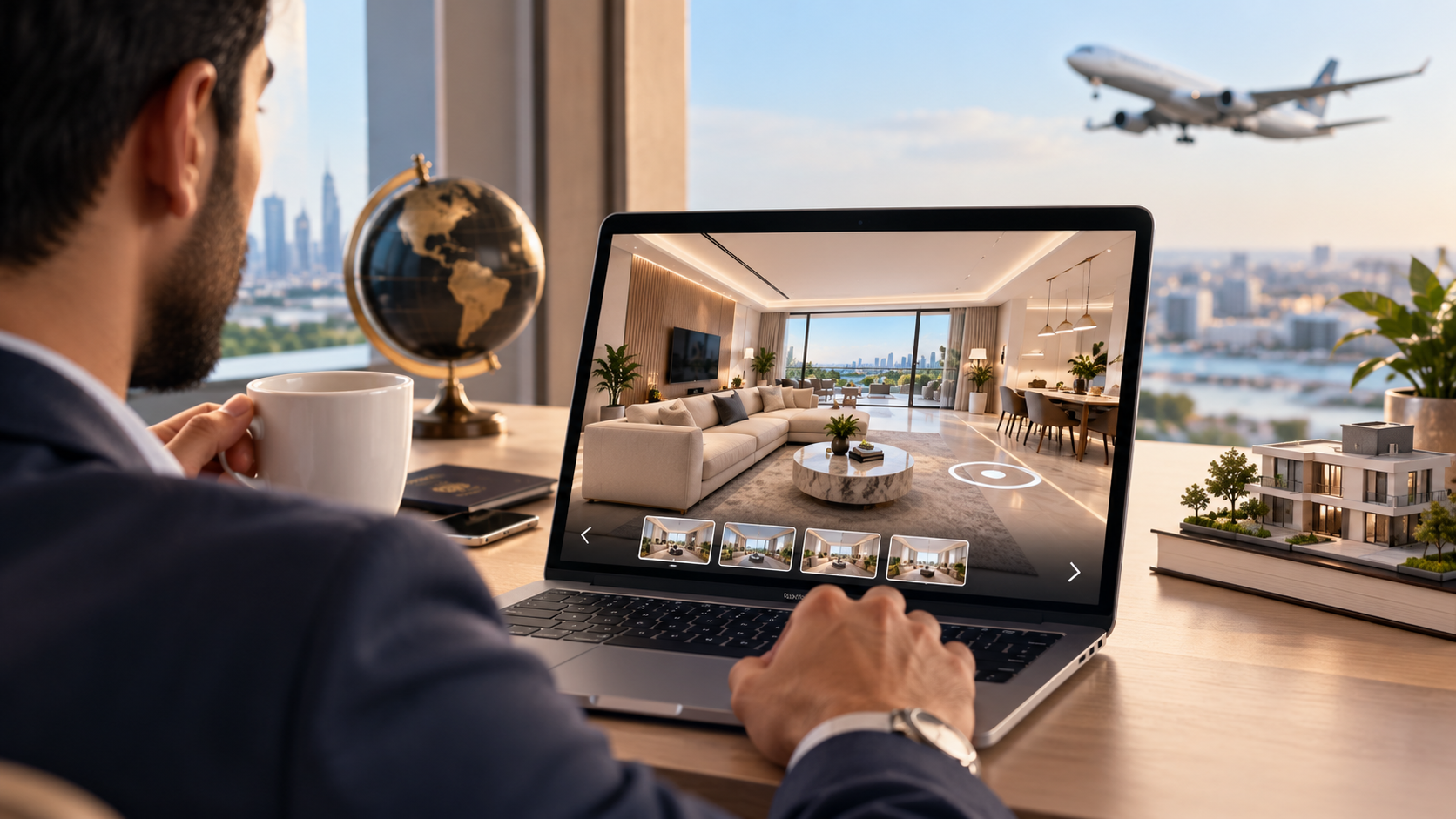
Virtual tours may be the biggest change for buyers. Now with proptech innovation, you can walk through a home from anywhere in the world.
A good 3D tour lets you move room to room, look up at ceilings, and check the flow of the space. Some tours add measurements, so you can plan furniture before you buy. This matters most for off-plan and overseas buyers. Many people buy properties in Dubai without an in-person visit. A clear virtual tour gives them the confidence to move ahead.
Some Dubai firms take this even further. Top Luxury Property projects off-plan homes in 3D view with their own design AI system, so buyers can walk through the real size, flow, and views. As per Gulf News, buyers have moved from imagining a space to experiencing it before they commit. This realism gives overseas investors the nerve to buy sooner, with fewer site visits.
The result is fewer wasted trips and faster choices. Sellers gain too, since a strong tour filters out browsers and draws in serious buyers.
How Is Artificial Intelligence Used in Real Estate?
AI now touches many parts of a property deal. It works in the background, and it saves people hours.
Common uses include:
-
Price estimates: AI reads past sales and live listings to suggest a fair price.
-
Smart search: It learns what you like and shows homes that match.
-
Chatbots: AI assistants answer questions any time, day or night.
-
Lead sorting: Agents use AI to spot which buyers are ready to act.
Many Dubai agencies have added AI chat tools to their sites. You describe your budget and taste, and the tool builds a shortlist in seconds. Top Luxury Property offers an AI assistant that does exactly this for UAE buyers.
The gains are real and measured. Dubai platform Smart Bricks surveyed more than 4,000 buyers and found AI cut search timelines by up to 80% and due diligence costs by up to 70%, per Gulf News. Its valuation model now reaches about 95% accuracy, and its founder says AI has squeezed a six-month buying cycle into minutes.
AI will not replace a good agent. Deals still need trust, local know-how, and a human touch. But AI makes the slow parts quick, so agents can spend more time with people.
How Does Market Data Help Buyers and Investors?
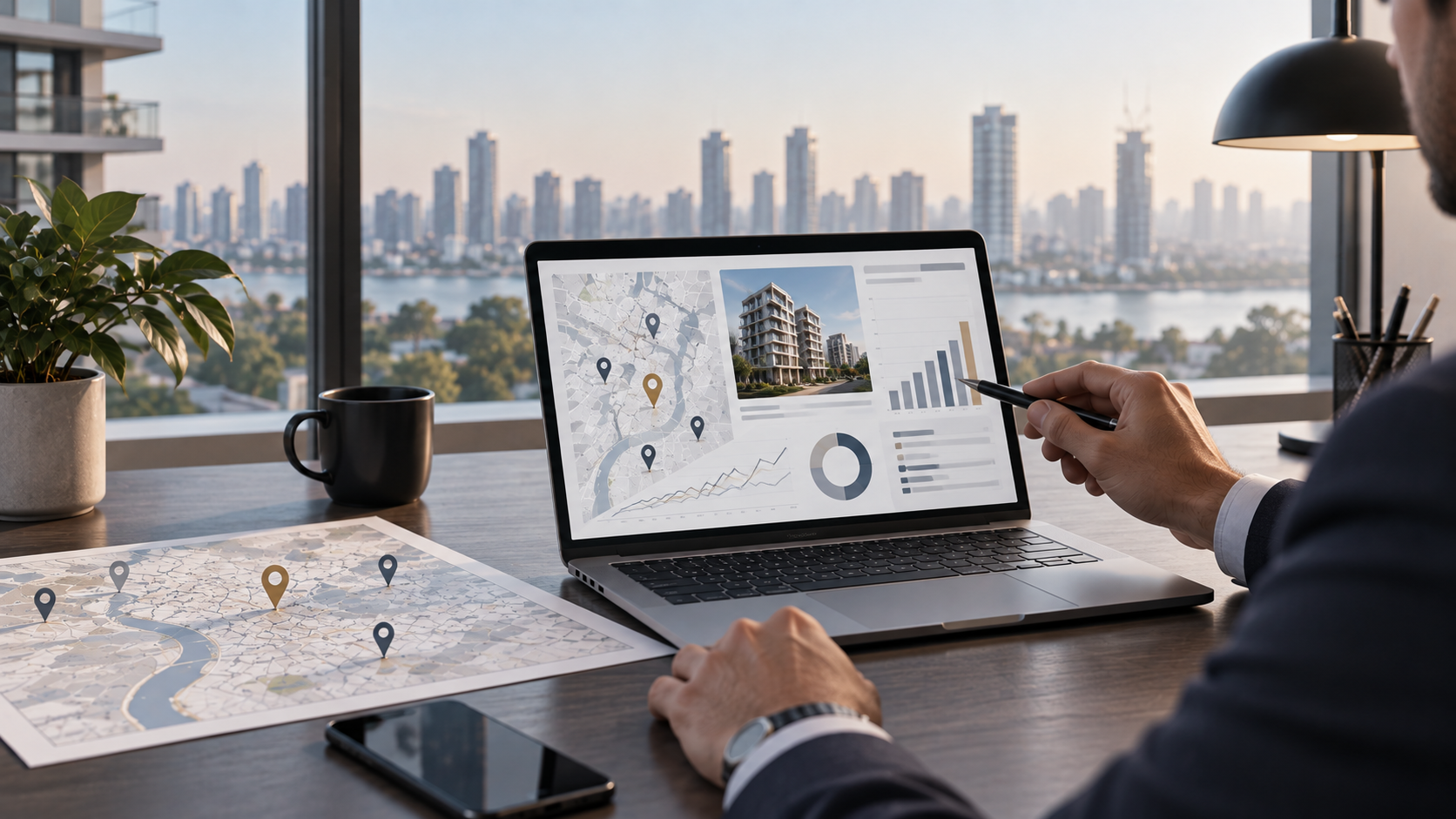
Big data means large sets of facts that software can read for patterns. In real estate, this is a goldmine for investors.
Data tools like DXBinteract track sale prices, rents, supply, and demand across each area. They flag places where prices may climb before the crowd notices and show fair rents, so landlords price homes well and cut empty months.
Say you want a buy-to-let home in Dubai. Data can show which areas give the best rental yield in Dubai right now. It can compare service charges, past growth, and tenant demand. You make a choice based on facts, not guesswork.
The same data shapes the wider Dubai luxury real estate market, where sale prices and yields point buyers toward the strongest communities before the crowd moves in.
Developers use this too. Many now set prices with live models that read demand, supply, rival launches, seasons, and buyer mood, instead of fixed guesses. The same tools even predict maintenance needs, which cuts downtime and service charges over a building's life.
What Is Blockchain Doing for Property Deals?
In real estate, blockchain brings a few clear gains:
-
Safer records: Ownership and title data are harder to fake.
-
Faster deals: Smart contracts can release funds once terms are met.
-
Fractional ownership: Some platforms let people buy a small share of a property, like a slice of a building.
Fractional models open the door for smaller investors. You no longer need millions to own part of a prime asset. A few thousand dirhams can buy a stake.
Dubai has tested blockchain for property records and title work. Property tokenisation is gaining ground here as well, letting several people own a share of one asset while smart contracts split the profit on their own. Adoption is still gradual, since older systems and title checks need more transparency, so most deals pair automated steps with human review for now. As these tools mature, deals should become quicker and more open for everyone.
How Are Smart Homes Changing What Buyers Want?
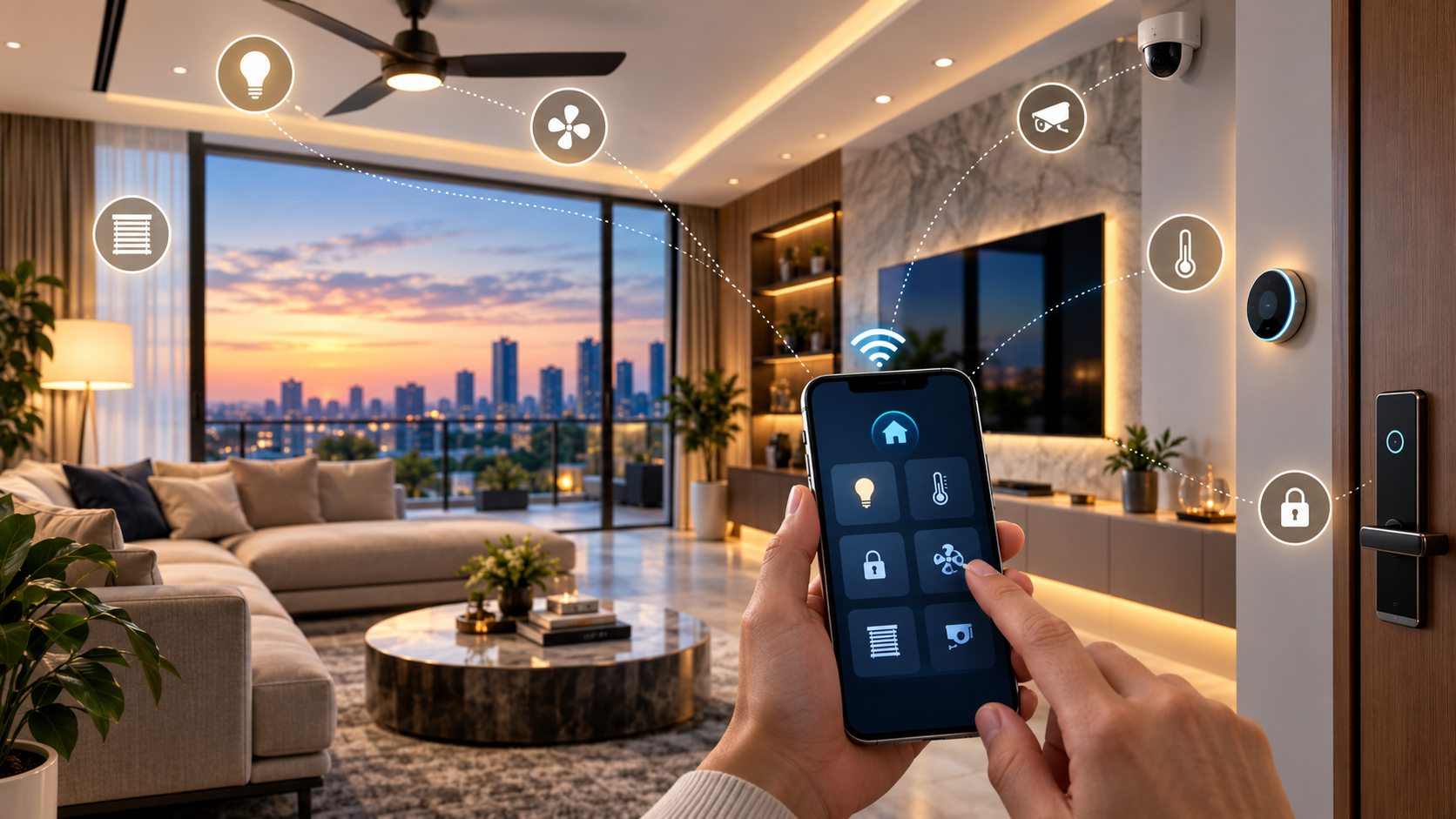
Smart home tech has moved from luxury to expectation. Many buyers now look for it as standard. A smart home lets you control lights, locks, cooling, and cameras from your phone. You can cool the rooms before you arrive and check the door while you travel. Voice assistants handle small tasks hands-free. These features add real value. They cut energy bills, boost safety, and make daily life easier. In hot cities like Dubai, smart cooling alone can save money each month.
For sellers, smart features help a home stand out. A well-fitted smart home often draws faster offers and firmer prices. High-end projects lean into this hard, adding full home automation as a headline feature. It is one reason branded residences in Dubai keep drawing strong buyer demand.
How Do Drones and 3D Tech Change Property Marketing?
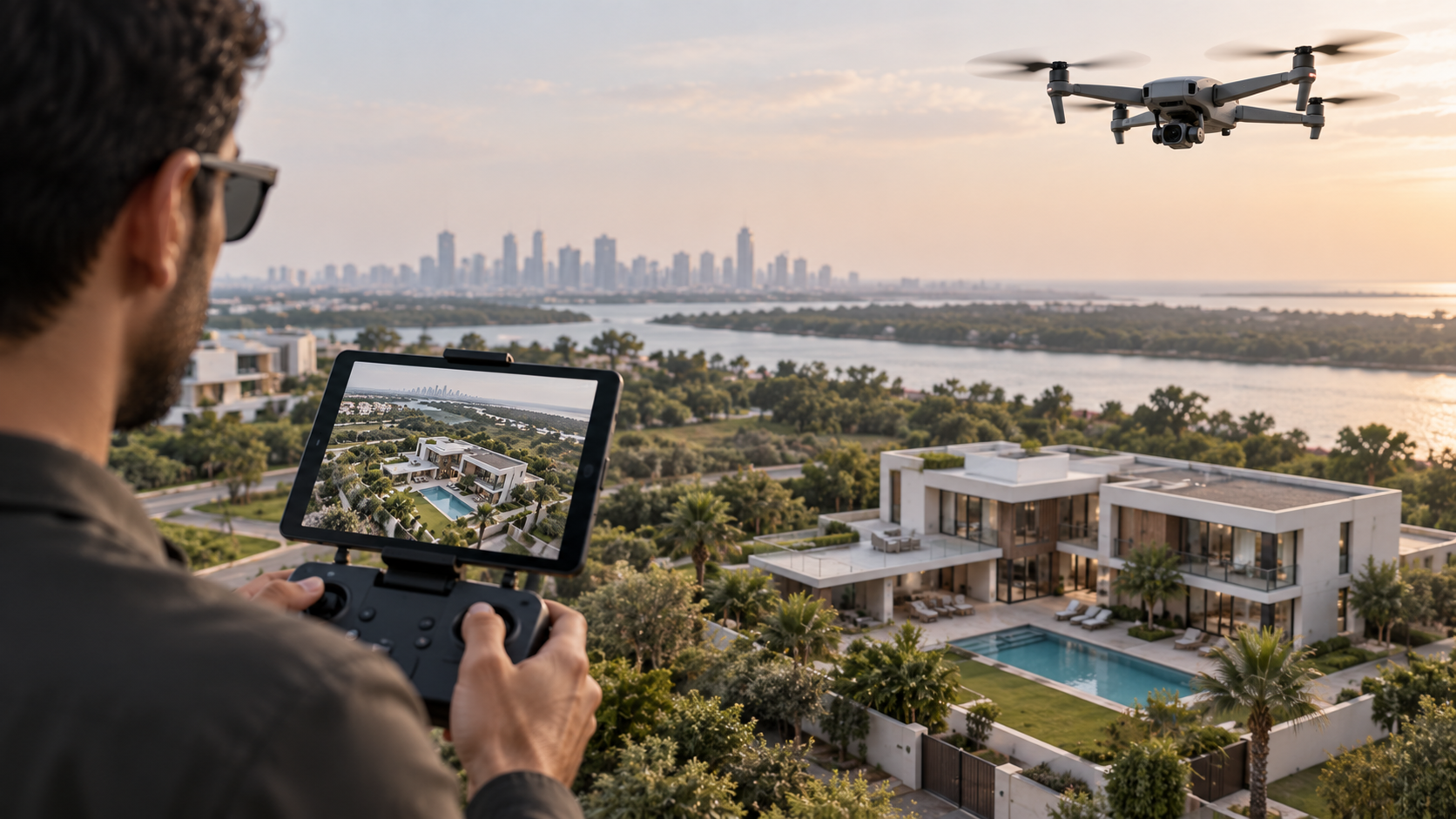
Great photos sell homes, and drones have raised the bar. A drone captures a home from the sky, showing the plot, the roof, and the views all around it.
For large villas and waterfront homes, aerial shots tell a story that ground photos cannot. Buyers see how close the beach is, how big the garden is, and what lies nearby. 3D floor plans add another layer. Instead of a flat drawing, buyers get a model they can spin and study. Some tools even stage empty rooms with digital furniture, so a bare flat looks like a home.
This kind of marketing works. Listings with strong visuals draw more clicks and more viewings. In a busy market like Dubai, that edge counts. Luxury agencies use drones and 3D tools on nearly every high-end listing now. The best ultra-luxury homes in Dubai lean on this to show their scale and setting.
How Is Technology Changing Renting and Property Management?
Renting has become far easier thanks to tech. Tenants can search, apply, and pay all online. Digital platforms let you book viewings, sign leases, and pay rent from a phone. Landlords track payments, log repairs, and message tenants in one place. Smart locks even allow safe key handovers without a face-to-face meet.
For landlords with many units, property management software is a big help. It sends rent reminders, flags late payments, and keeps records tidy for tax time. Some tools link to smart sensors that warn of leaks or faults early, which cuts repair bills. This suits Dubai's large rental market well. Many owners live abroad and manage homes from afar. Good software lets them keep full control without being in the city.
How Do Digital Payments and E-Signatures Speed Up Deals?
Paperwork slowed every deal. Now, much of it moves online, and that saves days. E-signatures let buyers and sellers sign forms from any device. There is no need to post documents or meet in person for every step. Secure online payments handle deposits and fees in minutes, with a clear record of each move.
For cross-border buyers, this is a big win. A buyer in Asia can sign for a Dubai home without an in-person visit. Banks and developers now accept many digital steps, so deals close faster than before.
Consultancy still matters here. Always use official channels and verified links for any payment. A trusted agency guides you through each secure step and checks that the money and title move safely.
How Does Technology Help First-Time and Overseas Buyers?
First-time and overseas buyers gain the most from these tools. A new buyer can learn the whole market from home. Portals explain prices, guides break down each step, and calculators show monthly costs before you commit. You walk in with knowledge, video tours, AI chat, and e-signatures, which let you buy a home in Dubai from another country. You compare areas, check returns, and ask questions at any hour, all without a flight. When you are ready, a local agent handles the final checks on the ground.
How Is Technology Changing Luxury Real Estate in Dubai?

Dubai is a leader in property tech. The city moves fast, and its market draws buyers from every continent. Luxury deals here often start online and cross borders. A buyer in London might tour a Palm Jumeirah villa by video, check the numbers with AI, and sign with digital tools, all before a flight. Golden Visa rules and strong returns attract global capital, and tech makes the deal smooth from afar. The Dubai Land Department unveiled AI tools with Google Cloud and Microsoft, and its open-data push lets startups build smarter, clearer systems. The Mohammed Bin Rashid Innovation Fund also links new tech firms with regulators, which helps fresh tools reach the market faster.
Dubai's luxury market has grown at speed. Sales of high-end homes have climbed sharply in recent years, and off-plan and ready demand both keep rising. For a buyer, the takeaway is simple. Tech lets you shop Dubai's best homes from anywhere, with more facts and less risk, whether you are new to luxury real estate or a seasoned investor.
Real Estate Technology at a Glance
|
Technology |
Changes |
Who Benefits Most |
|
Online portals & apps |
Faster, wider home search |
Buyers and sellers |
|
Virtual & 3D tours |
Remote home viewing |
Overseas and off-plan buyers |
|
AI tools |
Pricing, search, chat support |
Buyers and agents |
|
Market data |
Area and rental yield picture |
Investors |
|
Blockchain |
Safer, faster deals |
Buyers and investors |
|
Smart homes |
Comfort, savings, resale value |
Owners and sellers |
|
Drones & 3D marketing |
Stronger listings |
Sellers and agents |
What Are the Risks and Challenges?
Tech brings gains, but it also brings new worries. It pays to know them.
-
Data privacy: Apps collect a lot of personal data. Check how a firm stores and uses it.
-
Online fraud: Fake listings and scam links exist. Deal only with trusted agents and sites.
-
Over-reliance: A virtual tour is great, but a final in-person check still helps for big buys.
-
Cost and access.:Not every seller can afford drones or 3D tours, so quality varies.
A trusted real estate agency helps here, too. It vets listings, guards your data, and steers you past common traps.
Final Words: What Is Next for Real Estate Technology?
The pace of change will not slow. A few trends are worth watching.
-
AI will grow smarter and more personal. Expect tools that predict your taste with fewer clicks. Virtual and augmented reality will make remote tours feel even closer to real. Blockchain and tokens may make fractional ownership common, so more people can invest with less cash.
-
Green tech will matter more, too. Buyers now ask about energy use, solar power, and smart cooling. Homes that save power will hold value better over time.
For Dubai, all of these points are one-way. The market will stay open to global buyers, and tech will keep the door wide. The buyers who learn these tools early will hold an edge.