Abu Dhabi now requires livability assessments for large master plans across the emirate. The rule changes how planners judge the quality of life before construction begins. It gives long-term outcomes for residents the same weight as physical development.
A New Framework Enters the Planning Process
The Department of Municipalities and Transport launched its Livability by Design Framework on August 24, 2026. The Urban Planning and Permits Centre will manage the rollout and add the standards to the current review steps.
The rules apply to master plans built for more than 2,000 people. They also cover mixed-use developments and tourism sites. Developers must now meet clear standards in several areas:
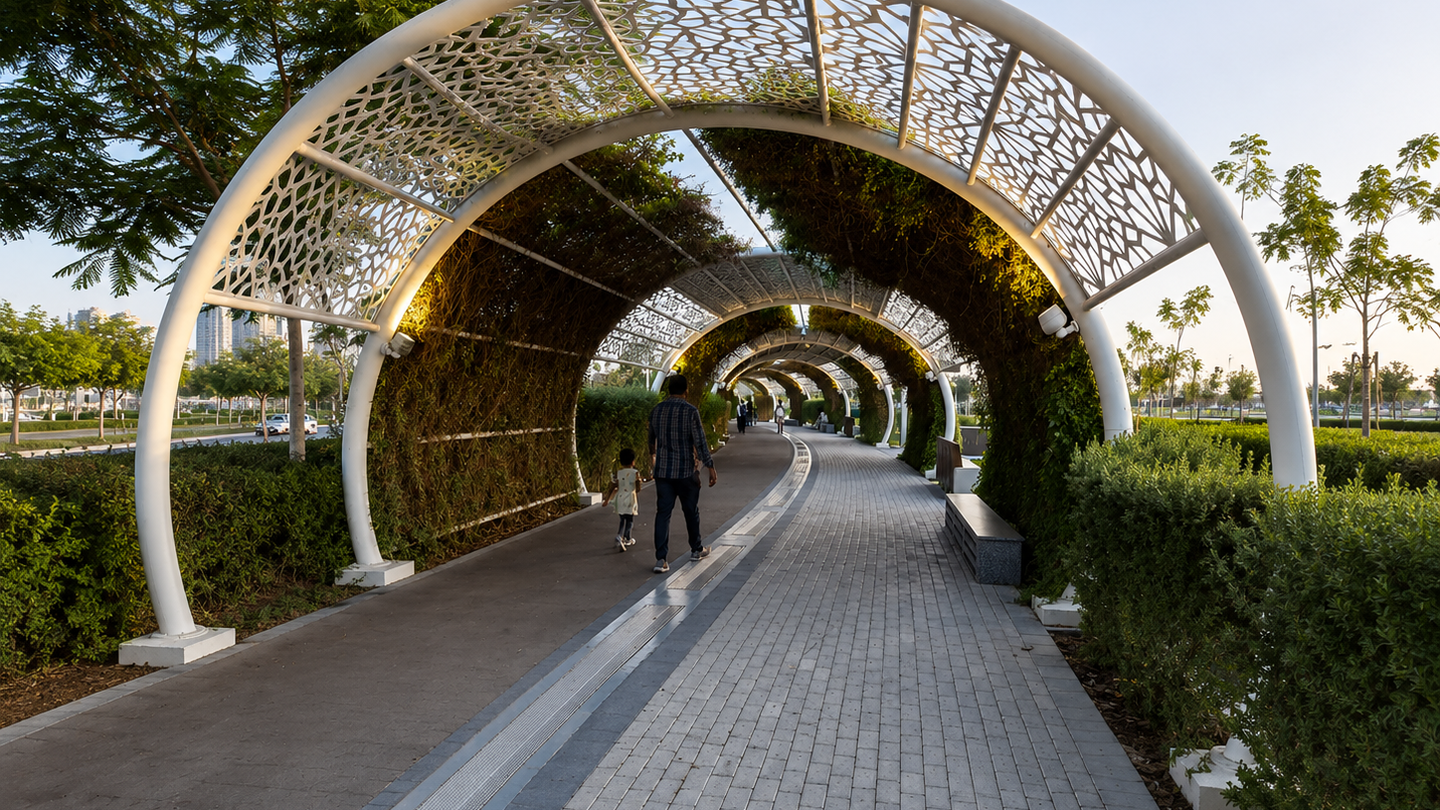
- Walkable neighborhoods with linked pedestrian routes
- Connected transport and mobility options
- Well-designed public spaces
- Full access for all residents
- High-quality shared urban areas
The current submission and approval steps stay the same. The framework works within that process, so developers do not face a separate approval route.
Assessment Tools and Official Direction
The Urban Planning and Permits Centre has finished an updated checklist for these assessments. It comes with guidance documents, submission templates, and support material for developers.
Abdulla Mohamed Al Blooshi, Director General of the Urban Planning and Permits Centre, said master plan approvals will now weigh long-term quality of life next to physical development. Mansour Al Harbi, Acting Executive Director of the Activation and Development Control Sector, linked the system to earlier design choices. He noted that developers will receive clear livability rules from the first planning stages.
The centre expects this approach to bring more consistency across submissions and steadier approvals. Design reviews will look at how residents reach services, public spaces, and transport links. The access rules also give more weight to movement through neighborhoods and to the quality of shared spaces.
A Development Pipeline Under Expansion
The new standards arrive during a busy period for construction across the emirate. Recent figures show the scale of demand:
- The department approved 20.8 million square meters of gross floor area in the first quarter of 2026, up 17.3% from the same period in 2025.
- New permit requests reached 5,096, an annual rise of 14%.
- Project start notices climbed 14.3% to 3,244.
- Inspection requests rose 24.5% to 34,391 as building work sped up.
The trend held across the full year. The department approved nearly 75 million square meters of gross floor area during 2025, a rise of 137% year on year. Housing formed the largest share, with nearly 190,000 homes planned across new and existing communities. Master developers also gained a 60-day cut in approval cycles during 2025. The department issued more than 11,000 building permits, up 15% from the year before.
Digital Planning Strengthens Neighborhood Data
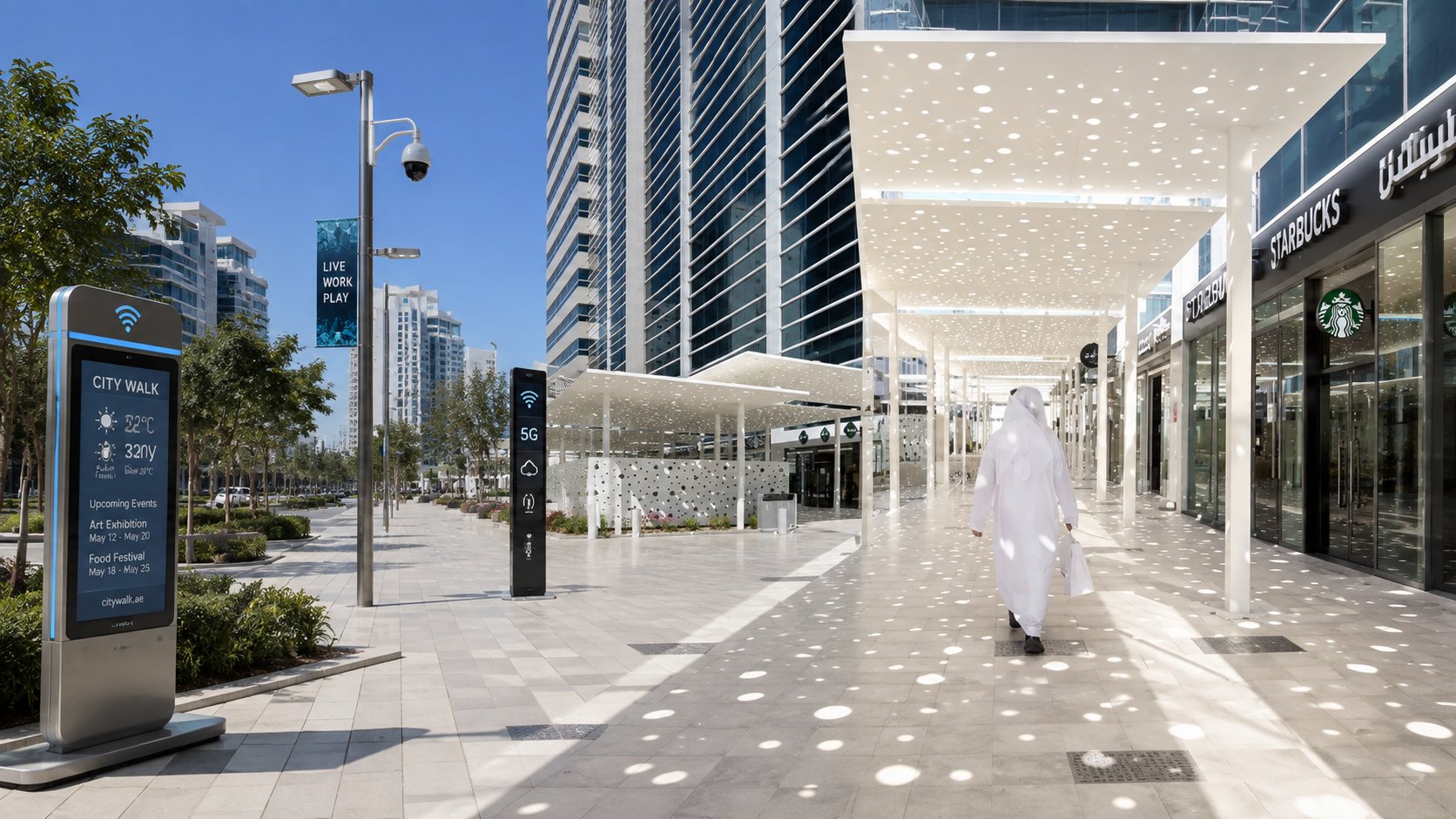
The department keeps expanding the data it uses for urban development and services. Its digital planning platform, Nabd, links data from more than 70 sources across over 15 systems. The platform covers buildings, roads, utilities, underground infrastructure, and other urban assets.
Nabd also tracks livability at the neighborhood level. Its measures cover access to services, infrastructure, and community facilities. Planning teams use this data to spot gaps before new development moves ahead.
The department has also rolled out three-dimensional planning tools. Teams can test proposed streets, public spaces, building heights, and green areas before construction begins. Designers can review pedestrian conditions, shade, sightlines, frontages, and movement patterns at an earlier stage. This gives the Urban Planning and Permits Centre more data when it judges the livability of large master plans.
Capital Committed to Public Infrastructure
Abu Dhabi has already invested major funding into district-level livability projects. The Abu Dhabi Executive Council set aside $11.4 billion (AED 42 billion) in September 2025 for the next phase of the emirate's Liveability Strategy. Average district completion scores reached 81% during 2025.
More than 60 projects worth $3.3 billion (AED 12 billion) supported the program. Together, they delivered:
- More than 200 parks and sports courts
- 24 schools, 21 mosques, and 28 community majlises
- Nearly 120 kilometers of walking paths and 283 kilometers of cycling tracks
- Around 220 kilometers of street lighting and about 200 beautification works
The emirate's global standing reflects this investment. Abu Dhabi ranked 5th in the 2025 IMD Smart City Index. The department also names it the most livable city in the MENA region in the 2026 Global Liveability Index.
Outlook
The Livability by Design Framework ties planning approvals to the wider funding push already underway. Developers now meet clear expectations at the start of the design cycle rather than at submission. The department expects this to cut revisions and support a steadier flow of approvals. As the pipeline grows, the standards give Abu Dhabi one clear measure of quality of life across more residential, mixed-use, and tourism projects.