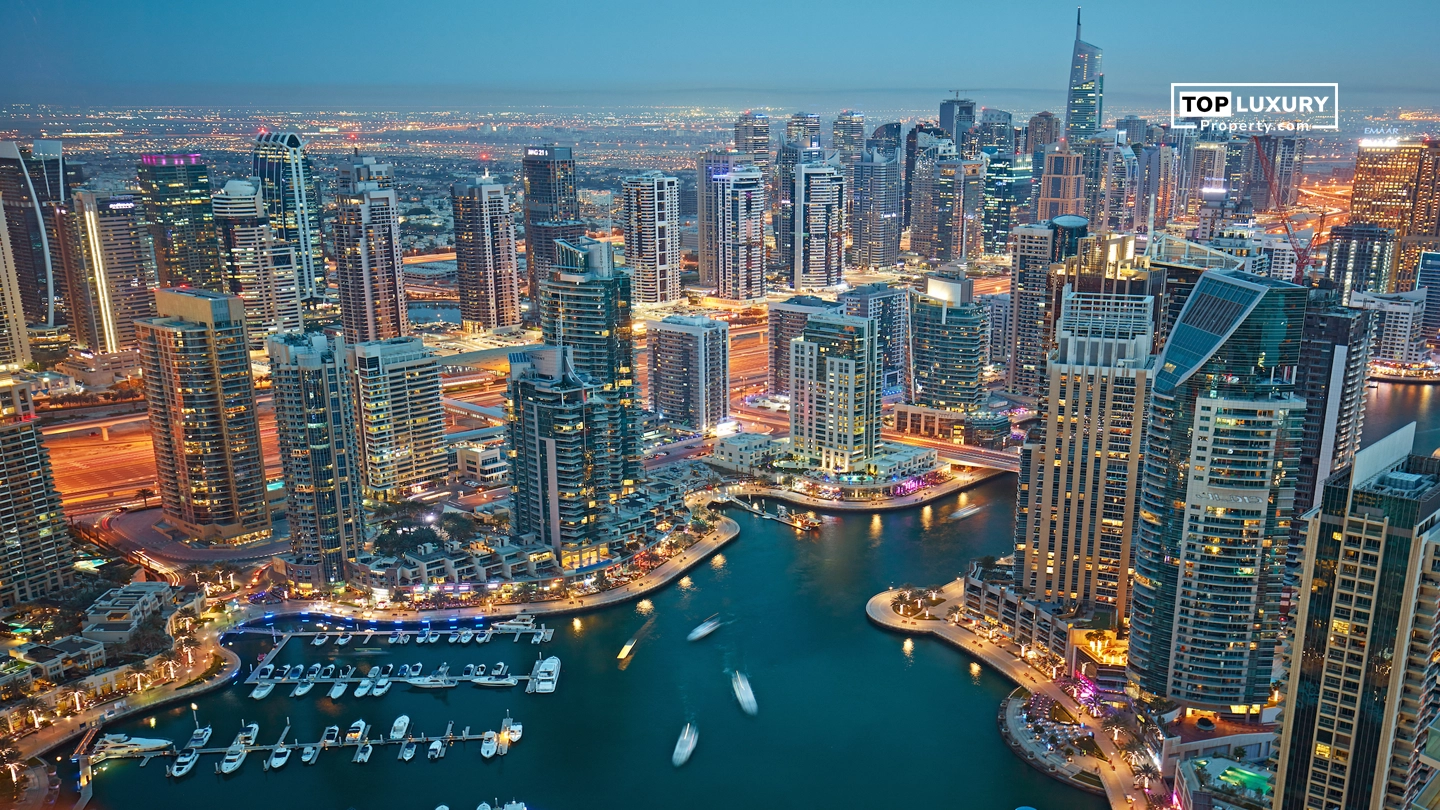
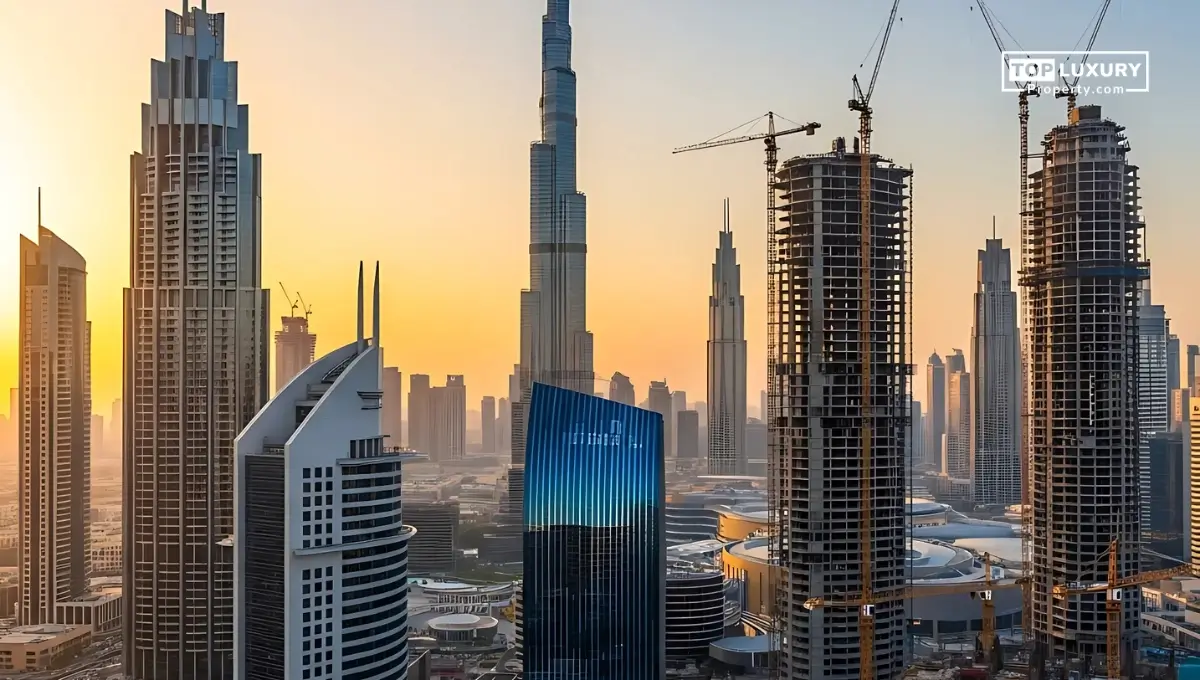
Infrastructure is not the backdrop of your Dubai real estate success story. It drives the entire narrative. Metro networks enhanced with AI, the world’s busiest international airports, and connected transport systems create a seamless set of values benefiting your investment. Properties near these infrastructure pillars deliver faster leasing times, higher rental income, and superior capital appreciation.
By 2026, with major initiatives either completed or accelerated, you enjoy rare opportunities to anchor into high-growth corridors. Let’s see why infrastructure fuels property demand.
Why Infrastructure Fuels Dubai’s Real Estate Growth
Dubai investment trends show that infrastructure acts as a multiplier. Property values follow where roads, rails, and smart-city utilities lead. You benefit from these basic infrastructure-to-value connections:
- Transport Access: Properties within 500m of Metro stations lease 14 days faster and gain 22% to 30% additional capital appreciation
- Airport Proximity: Short-term accommodation demand around DXB and DWC brings 8% to 12% rental premiums
- Access to Schools and Hospitals: Family housing near top-rated schools or hospitals commands 18% to 20% price premiums
- Lifestyle Infrastructure: Community centers, parks, and beaches improve tenant retention and lead to 10% to 18% capital increases
Your Dubai communities maintain 99.9% DEWA coverage uptime, complete 5G coverage, and integrated e-Government systems.
Major Infrastructure Projects Transforming Dubai in 2026
Dubai infrastructure projects in the 2026 pipeline feature game-changing public transport, aviation, road, and industrial infrastructure. You already see changed buyer and tenant preferences.
| Project | Milestone | Price Impact for You |
|---|---|---|
| Metro Blue Line (30km) | 30% completion by end-2026; opening Sept 2029 | +25% near stations; 20% traffic reduction; serves 200,000 daily passengers |
| Al Maktoum International Airport | AED 128 billion expansion to 260M capacity | Dubai South 35% to 45% growth by 2030 |
| Etihad Rail Network | Passenger services launching 2026; Abu Dhabi to Dubai in 50 minutes | +20% to 30% appreciation near stations |
| Al Shindagha Corridor | 85% complete; Infinity Bridge operational; full completion 2025-2027 | Travel time drops from 104 min to 16 min by 2030; serves 1M persons; 24,000 vehicles/hour capacity |
| Sheikh Mohammed bin Zayed Road | 10 additional lanes; 33km widening completed | +45% capacity increase; 45% travel time reduction |
| Emirates Road Expansion | 10 new lanes being added | +65% capacity increase; 45% travel time reduction |
| Al Ittihad Road | 6 extra lanes | +60% total capacity increase |
| Super Blocks Project | Al Quoz Creative Zone completed; 4km pedestrian/cycling tracks; 3 mobility hubs | Car-free zones in Al Fahidi, Abu Hail, Al Karama; 3,300km new pathways by 2040 |
| Al Warqa Street Improvements | 7km expansion completed January 2026 | +30% traffic flow improvement; 4 smart signalized intersections |
| Dubai Urban Tech District | Phase I operational; 4,000 jobs created | Creek Harbour +27% Q1 2025; studios +10% vs Deira |
These projects form demand ecosystems around them, directly benefiting your investment.
High-Growth Neighborhoods Benefiting from Infrastructure
Certain areas experience significant capital movements due to proximity to 2026 infrastructure rollouts:
- Dubai South (The Pulse Residential District)
Blue Line and DWC expansion drive 35% to 45% price growth by 2030. Current prices average AED 800 to AED 1,200 per square foot, far below Downtown’s AED 3,000+. You benefit from strategic airport location and Expo 2020 legacy.
- Al Ghadeer (Abu Dhabi Border)
Etihad Rail station releases commuter traffic. Predictions show 30% price increase with passenger services launching in 2026.
- Business Bay (Waterfront)
Metro expansion and DIFC Phase II boost prices to AED 2,194 per square foot with 6% to 8% rental yields. You access central business district location with enhanced Al Shindagha Corridor connectivity.
- Deira and Bur Dubai
The operational Infinity Bridge connects you between Deira and Bur Dubai, accommodating 24,000 vehicles per hour. Total lanes crossing Dubai Creek increased from 48 to 60. Al Shindagha Corridor serves Deira Islands, Dubai Seafront, Dubai Maritime City and Port Rashid. You benefit from a travel time reduction from 104 minutes to 16 minutes by 2030, valued at AED 45 billion over 20 years.
- JVC & Meydan
Bridges and retail outlets alleviate congestion, enhancing prices by 22%. JVC averages AED 1,228 per square foot in 2026. Enhanced Sheikh Mohammed bin Zayed Road connectivity with a 45% capacity increase benefits your commute.
- Dubai Creek Harbour
Tech District and Metro Blue Line connectivity drive 27% appreciation in Q1 2025. Prices average AED 2,400 per square foot, representing a 15% increase over 2023. You get 50% to 60% pricing advantage versus Downtown Dubai.
- Al Quoz (Creative Zone)
The infrastructure zones include pedestrian and cycling bridges on Al Manara Street. Three mobility hubs delivered with 4km of pedestrian and cycling tracks. Super Blocks project implementation enhances connectivity to the Onpassive Metro Station and the Al Quoz Bus Station. You benefit from car-free, pedestrian-friendly transformation.
- International City & Dubai Silicon Oasis
Blue Line Metro transforms these areas from commuter suburbs into connected hubs. International City, averaging AED 602 per square foot, offers maximum growth potential. Properties within 800 meters of planned stations show highest appreciation.
- Al Karama, Al Fahidi and Abu Hail
The Super Blocks project creates car-free pedestrian zones in these neighborhoods. You enjoy increased green spaces, improved air quality, and vibrant community interactions. 3,300 kilometres of new pathways planned by 2040.
Economic and Lifestyle Benefits Driving Property Demand
Uninterrupted Transport
With 89km of functional Metro and another 30km coming through the Blue Line, your average inner-city journey runs 30% faster compared to Mumbai or Los Angeles. Developments within seven-minute walking distance of new stations record higher yields. The Infinity Bridge’s 12-lane capacity handles 24,000 vehicles per hour in both directions.
With an AED 170 billion budget, the National roads network enhancement transforms your commute:
- Emirates Road: 10 new lanes increase capacity by 65% and reduce travel time by 45%
- Sheikh Mohammed bin Zayed Road: 10 additional lanes boost capacity by 45%
- Al Ittihad Road: 6 extra lanes raise capacity by 60%
Airport Connectivity
In 2024, DXB processed 91.9 million passengers. DWC targets 120M by 2030, ultimately rising to 260M with five runways and 400 aircraft gates. Your property within 15-minute drive to either airport faces high demand. Dedicated road, metro, and bus links expand as terminals open.
Healthcare & Education
Over 40 schools with outstanding ratings and world-class hospitals attract family tenants. Academic City benefits from the Sheikh Mohammed bin Zayed Road expansion with a 24km parallel Academic City Road extension. Properties lease 27 days faster in well-connected education zones.
Lifestyle Infrastructure
More than 3,000 parks, 1,200km cycling tracks, and beachfront promenades improve your living quality. Super Blocks project adds 4km of pedestrian and cycling tracks in Al Quoz. The combined 3-meter-wide track on the Infinity Bridge serves pedestrians and cyclists. Communities like Tilal Al Ghaf and Creek Harbour demonstrate 6% to 8% annual appreciation.
Pedestrian-Friendly Urban Design
Dubai’s transformation into car-free zones elevates your lifestyle:
- Al Quoz Creative Zone completed with mobility hubs
- Al Fahidi, Abu Hail, Al Karama designated as pedestrian-only zones
- 3,300km of new pathways by 2040 plus 2,300km of improved existing ones
- Super Blocks initiative promotes healthier, more active lifestyles
Visionary Mega Projects
Palm Jebel Ali infrastructure completion targeted Q4 2026 with 2,000 beachfront villas and 700 ultra-luxury villas. Sobha Hartland II phases are completing 2026. Dubai Islands and Burj Jumeirah follow the infrastructure-first principle. Roads, schools, and transport get built before vertical construction begins.
Investment Strategies: Capitalizing on Infrastructure-Driven Growth
Your entry timing determines returns. Different phases offer distinct advantages.
| Your Entry Phase | Years to Completion | Asset Type | Strategy | Expected Gains |
|---|---|---|---|---|
| Early Planning | 4–6 yrs | Off-plan plots (Dubai South, Palm Jebel Ali) | Buy undervalued landbank | 35–45% |
| Mid Construction | 1–3 yrs | Apartments near Blue Line, Al Shindagha Corridor zones | Buy-to-let, hold to handover | 15–25% |
| Pre-Handover | 0–1 yr | Ready units in improved road corridors | Flip at launch | 8–12% |
| Yield Hold | Any time | Studios in JLT, DIFC; warehouses in JAFZA; properties near Infinity Bridge | Consistent rental cash flow | 8–10% |
Tips on Doing Due Diligence
- Avoid areas where the projects are more than 18 months delayed.
- Ensure complete budget allocation by the government.
- Monitor DEWA outage statistics (if there are more than 2 outages per year, it should put up a red flag).
- Make Mixed-Use a Priority and get 2 percent Greater Annual Appreciation.
- Adhere to the 500m Rule: the better investment are houses within 500m of Metro or rail nodes.
- Green, & Smart Alpha: Buildings with LEED Gold generate rent which is 9 percent higher and depict better ESG occupancy (up to 96 percent). The Masdar (smart city asset, autonomous shuttles, net-zero energy), 22 days earlier rent.
Conclusion: Positioning for Success in Dubai’s 2026 Market
Property value growth Dubai 2026 is closely connected with the growth of its infrastructure. The rise and fall of Metro lines, Etihad Rail, logistics corridors and sustainable master plans has established a virtuous cycle: connections lead to corporate needs, and with corporate needs comes talent, which leads to lifestyle services and with lifestyle services comes investment, which feeds further infrastructure.
Established property in the boom of the major 2026 facilities is expected to have an outperformance of market profits of 22-35 percent in three years to come. The plan is obvious:
- Pre-purchase infrastructure Buy before completion
- Mixed-use areas Target
- Developers have to be selected based on project compatibility with the 2040 Urban Master Plan
Investing in an infrastructure-backed property in the city of Dubai; you are not paying squares of ground, you are investing in the future of a city designed to outdo it all.