
The Rise of AI in Dubai’s Real Estate Landscape
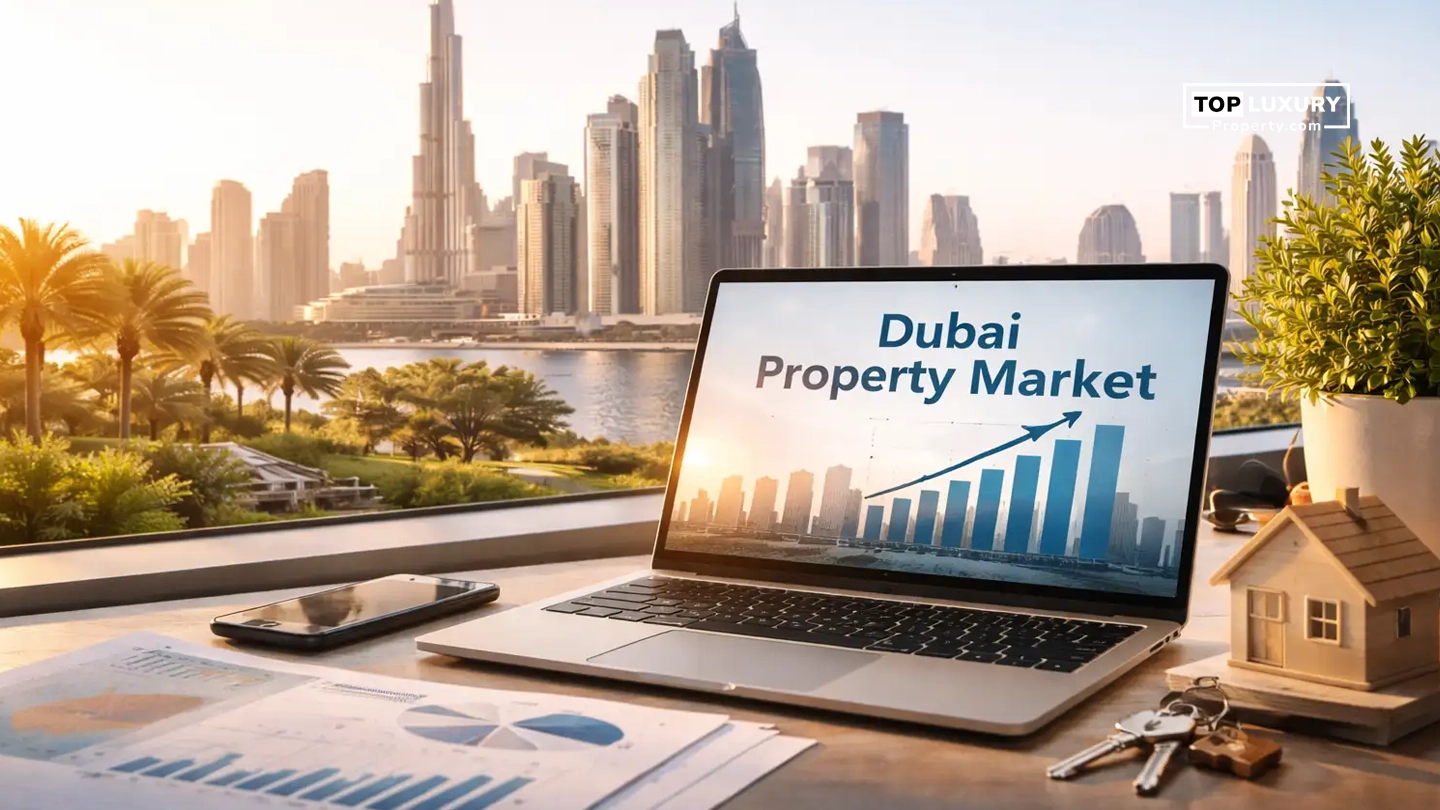
Dubai’s real estate market has always been an evolving space, with quick development, changing government regulations and evolving demand from buyers. AI (Artificial Intelligence) analytics have emerged as a key input to understanding and analysing volumes of data quickly including previous sales history, demographics, macro economic signals like interest rates, changes in policies, tourism, flows of global capital, planning for urban infrastructure, mapping supply vs demand. AI systems such as machine learning, predictive analytics and more allow developers, investors, buyers, urban planners, stakeholders, etc. to forecast where value might develop, which potential off-plan projects may have better returns and when various cycles of the market might be near a peak or stall. Dubai, with its wealth of data, rate of new developments, regulatory clarity, and vision of becoming a smart city is ideally suited for AI driven predictions.
What is AI driven analytics in Dubai property investment?
AI driven analytics means using algorithms, statistical models and machine learning to analyse data sets (transactions, pricing, supply pipelines, demographics, transport, planning, amenities etc.) to predict future trends. Important aspects of AI driven analytics Dubai Property includes:
- Predictive Models: to predict price appreciation, rental yields, occupancy rates.
- Sentiment Analysis: Via social media, news, announcements by developers to assess buyer demand
- Geospatial analysis: to map areas served by infrastructure, transport networks, new metro lines, roads, new amenities and showing how these affect price values in surrounding (neighbouring, etc.) geospatial areas
- Risk / Reward Modelling: to establish downside risk (upside in relation to downside) ie.delivery delays, oversupply, regulatory changes etc.
AI driven analytics helps investors answer questions like: Which locality is next to boom? Which property project will yield the best returns? When is the best time to buy? When is the best time to sell?
How AI and Smart Living Are Shaping Off-Plan Homes in Dubai
Off-plan properties are considered newly built or properties under construction (i.e. they have not been delivered). While a lot of focus has been placed on off-plan projects with smart living features, the impact of those features has been important to consider: IoT integration, energy efficiency, smart security, connectivity, wellness features, green spaces, integrated automated building management, etc.
AI analytics can also help, in part, to identify which smart living features are showing a higher demand for the buyer, and even which features have a correlation to higher resale / rental value. Developers can be guided to provide buyer feature demand, while investors can also monitor which off-plan properties with smart living features may produce a higher return or be more resilient.
How Predictive Analytics Unlocks Property Boom Cycles
Predictive analytics uses historical signals and signals over time to determine when a boom cycle may occur. The Dubai Property market predictive analytics identify the following and look for patterns/sources of signals:
- Supply vs demand: tracking number of off-plan launches vs absorption rates
- Macro indicators: interest rates, foreign investment flows, visa / regulation changes, tourism and population growth
- Infrastructure intelligence: future metro lines, roads, airports, etc.
- Sentiment and social indicators: what buyers/investors are saying, what is being searched for
Once you can identify signals, you can leverage those signals when they escalate to identify when we are building toward a boom, the likely length of the boom, when we hit peak and when we are likely experiencing a slowdown, which allows for smart investment timelines.
Forecasted Boom Hotspots: AI Insights for 2025-2027
By utilizing data and trends, AI techniques and the Dubai real estate predictions 2025 suggest that the following areas are expected to significantly grow the fastest in Dubai between 2025 to 2027:
- Dubai Hills Estate: lush communities, green spaces, strong infrastructure.
- Dubai Creek Harbour: waterfront, mixed use, strong global appeal.
- Madinat Jumeirah Living: lifestyle premium, proximity to the beach and tourism assets.
These areas tend to be high growth areas when they combine connectivity and amenity rich areas with demand from regional and international buyers.
Real-World Wins: Case Studies of AI-Driven Investments
Analytics backed by AI technology have literally changed the game for those engaged in discovering profitable opportunities in Dubai’s real estate market and here a few stories of success
- DAMAC Maldives 4, Damac Islands: AI analytics surrounding community growth and area development flagged this project well in advance. The smart technology and high quality amenities resulted in a 15% appreciation in value over 12 months, higher than all similar developments in the area.
- The Acres Phase 2, Dubailand: AI analytics are appropriately demonstrating the growth of buyer interest and sustainability trends in this eco luxury project. Smart energy systems and a healthy living environment provided higher than average rental yields to the investor by 12%.
- Ghost by Binghatti, Al Jaddaf: AI technology following urban connection and design innovation quickly identified Ghost by Binghatti as an emerging opportunity. The design and smart technology of the building produced 20% capital growth in under 18 months.
- Ocean Cove, Rashid Yachts and Marina: AI algorithms based on tourist data and demand for waterfront properties positively indicated there would be demand for this property. The high quality product, technology, and unique location resulted in a 22% growth in overall property value proving the predictive capabilities of AI models.
Overall, these projects demonstrate how Dubai Investment Trends AI can help turn data into profit and provide avenues in Dubai’s most effective off-plan investment reducing guesswork and providing a safe investment resort.
Navigating Risks in AI-Powered Property Forecasts
AI data analytics are a powerful tool but there are risks and limitations:
- Data issues / bias: If the data is not complete, tainted or out of date then the predictions will not be reliable.
- Change in regulations / policies: Changes to property laws, or rules around foreign investment, or visa regulation can increase or decrease demand very quickly.
- Oversupply risk: Even in very “hot” locations, if too many off plan properties are launched in a short period of time this can saturate the market and decrease yields.
- Delays or developer risk: If there are delays in the delivery of projects or the projects delivered are poor, or if there are financial issues with the developer, this will have an impact on returns.
- Macroeconomic shocks: Interest rates increasing or global financial instability, or geopolitical risks can reduce demand.
Understand that AI property predictions are a guide only, not a guarantee; always marry with appropriate ground truthing, due diligence, diversify your investments and so on.
Latest offplan projects in Dubai having AI Features
Dubai’s newest off-plan projects are tapping into artificial intelligence and smart living technologies to improve energy efficiency, comfort, and safety. Developers are implementing automation, predictive maintenance, and digital building management systems to support Dubai Smart City Vision. Some notable projects are:
| Offplan Projects | Key AI Features |
|---|---|
| Anwa Aria at Dubai Maritime City | Smart home features with automated lighting, temperature control, and digital entry keys. A sign of the rise of AI modeled waterfront living. |
| Meraas Jomana at Madinat Jumeirah Living | Integrates intelligent building systems and entry controls to align with AI modeling predicting long term growth, in a luxury beach haven. |
| Meraas Erin Central Park at City Walk | Eco smart homes provide air quality monitoring and automated energy management, meaning it follows AI forecasted push toward a wellness based living. |
| Emaar Parkside Views at Dubai Hills Estate | AI supported security and modern community management tools that match the convenience of contemporary living. |
| Emaar Creek Crescent at Dubai Creek Harbour | Intelligent building features programmed for automated energy systems and predictive modes for maintenance in comparison to urban development trends. |
These projects will provide signs of how AI features could change the Dubai real estate landscape, while providing future proofing and energy efficient properties for investors.
The Future: AI and Emerging Tech in Dubai’s Market
Looking ahead (beyond 2025 to 2030), Real estate AI forecasting tools and other emerging technologies will further shape the market:
- Smart city infrastructure: real time traffic, real time utility usage, environmental sensors, integrated mobility will affect micro location values.
- Digital twins: virtual models of buildings/neighbourhoods to improve planning, monitoring and predictive risk assessment.
- Blockchain and tokenization: fractional ownership, more liquidity, transparent contracts.
- Augmented/Virtual Reality (AR/VR): for marketing and remote inspections; improves buyer confidence.
- Sustainability and ESG: AI helping to optimise energy, waste, water, green building codes will become more relevant, properties with strong ESG credentials will attract premium.
Conclusion
AI analytics are transforming the Dubai real estate market as it provides smarter investment decisions and enables next generation off-plan development. As AI forecasting instruments get better at how investors read market signals, developments with smart technologies will lead the 2025 real estate boom in Dubai. Dubai’s future is situated at the intersection of AI innovation and property investment, where data driven analysis will turn homes into intelligent, high value assets.