The Dubai property market is a perennial headline-maker, but 2025 was the turning point. The emirate has moved beyond speculation into a mature phase defined by real end-user demand and lifestyle growth. By October 2025, the market is showing resilience and depth that points to a bright future.
Anyone looking to tap into the Dubai real estate trends 2026 needs to understand the details of this boom. From self-sustaining communities to the influx of expatriates in line with the Dubai 2040 Urban Master Plan - here’s why the market is moving faster than ever.
The Surge in End-User Demand: Why Buyers Are Flocking to Dubai Homes
The biggest shift was from a short-term investor market driven by end users in 2025. A property purchase in Dubai has become more than a financial transaction. In H1 2025 alone, transactions totaling AED 431 billion over 125,538 deals, sparked by people and families planning to live in the units they buy, which indicates a massive shift in buying property in Dubai.
This surge draws buyers from the GCC, India, UK and Europe. And these demographics aren’t just after holiday homes anymore; they want main residences. The continued momentum in off-plan as well as secondary segments indicates renewed confidence in the UAE economy and residency reforms.
According to Dubai real estate investment experts, “the market is becoming more balanced and fundamentally driven.” Buyers want long-term value over short-term flips because of the city’s safety, tax efficiency and world-class infrastructure. This behavioral shift gives a solid floor to property prices and reduces volatility, so demand is organic and not speculative.
Community-Led Growth: How Neighborhoods Are Redefining Luxury Living
Previously, location was defined by distance to a landmark. In 2025 location is defined by a “community ecosystem.” The definition of luxury has shifted from golden taps to green parks, international schools, and walkability
Analyzing the best communities for Dubai 2025 reveals a sharp divergence between family preferences & investor targets:
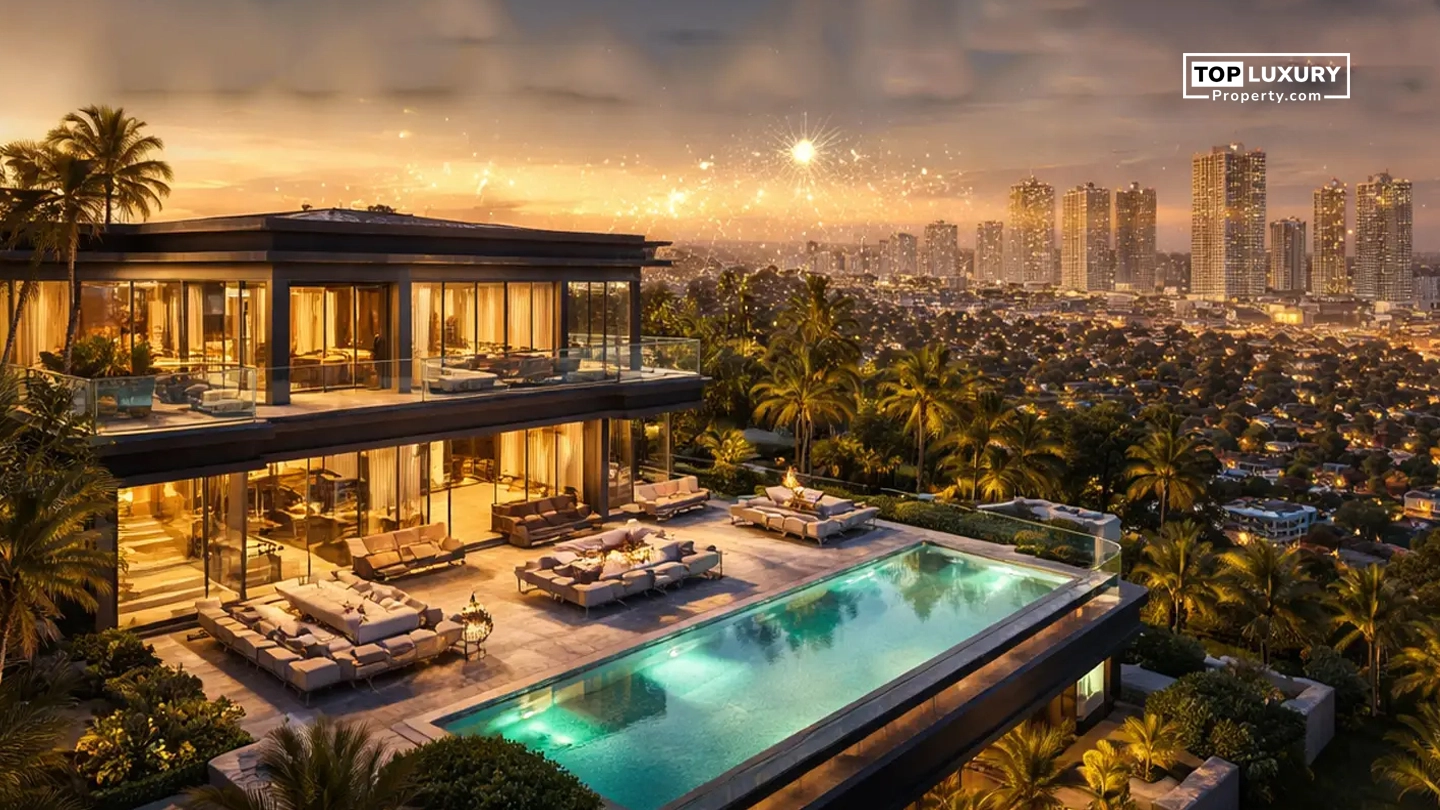
Family Favorites: Villa and townhouse communities are in high demand such as Dubai Hills Estate / Arabian Ranches / Emaar The Oasis / Grand Polo Club & Resorts. Family priorities are space and lifestyle infrastructure.
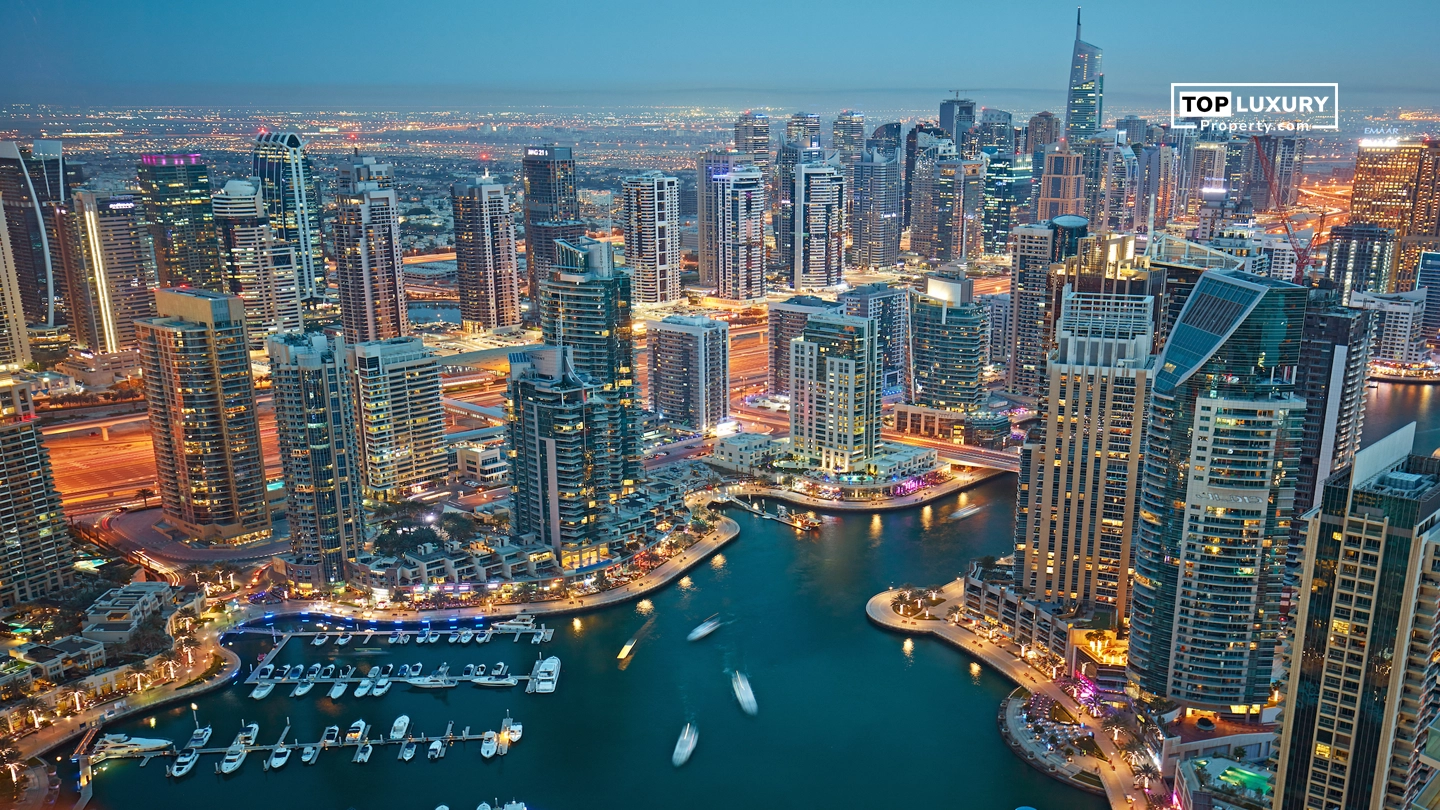
Investor Hotspots: Stable rental returns and steady occupancy rates continue to draw capital into high yield apartment corridors like Dubai Marina, Creek Harbour and Rashid Yachts & Marina.
This community-led growth is changing development strategies. Now developers must include retail, education and leisure facilities in the master plan before handing over keys. And the “15-minute city” is becoming a reality - where residents can get everything they need in a short walk or drive. This is causing micro-markets inside Dubai where certain neighborhoods outperform the average market in terms of quality of life.
2026 Market Forecast: Trends Shaping Dubai’s Property Boom
Looking ahead, the Dubai real estate forecast 2026 and beyond points to a period of stabilization and recalibration. Industry projections call for a significant upswing of new handovers through 2026. This added supply follows aggressive off-plan launches between 2023 and 2025. Some experts are concerned about oversupply but data show otherside: a possible pricing recalibration at the mid-market level which makes housing more accessible and drives additional demand. As a buffer, projected population growth of 5.8 million residents by 2040 absorbs new supply.
Trends shaping 2026 probably include:
Momentum versus Sustainability: The market is moving away from explosive spikes toward sustainable growth, as CEO of Banke International Property points out.
Infrastructure-Driven Value: Areas benefited by new road networks & Metro expansions will appreciate faster.
Rental Market Stability: With more units handed over, steep rental increases in recent years may plateau, relieving tenants and stabilizing yields for landlords.
Investment Opportunities: Capitalizing on Sustainable Community Developments
In terms of Dubai property investment strategy for 2026, focus on “upcoming corridors.” Established areas offer stability, but capital appreciation is likely greatest in developing districts.
Off-plan launches still dominate activity in master developments such as Dubai Creek Harbour, Damac Island Phase 2, Emaar Grand Polo & Resorts, Dubai South and the new phases of MBR City. These areas are characterized by flexible payment structures and easy entry points for first investors.
Important indicators for investors are the We the UAE 2031 vision and the Dubai Urban Masters Plan 2040. Such government schemes stress sustainable development and liveability.
Therefore, developments in line with these goals - including energy-efficient buildings, green areas and smart city technology - are expected to appreciate best in the coming decade. Those developments are being watched by investors not so much as potential capital gains, but as demonstrated rental depth in a mature market.