
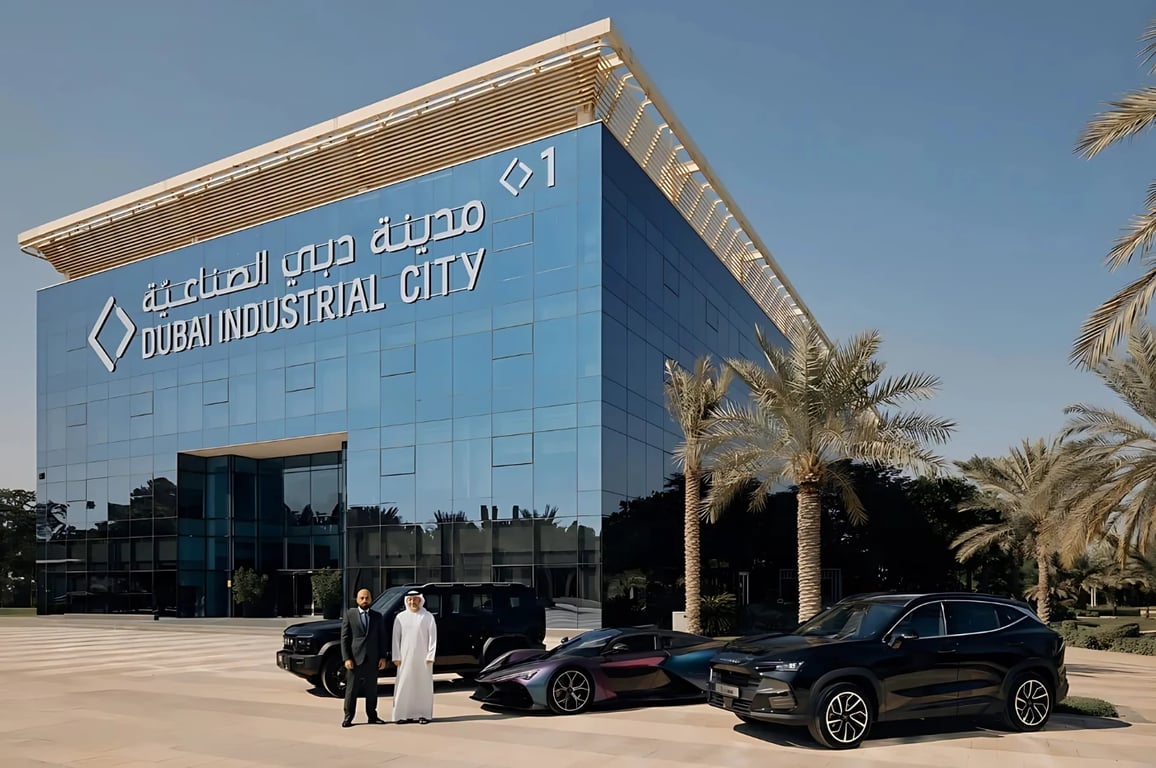
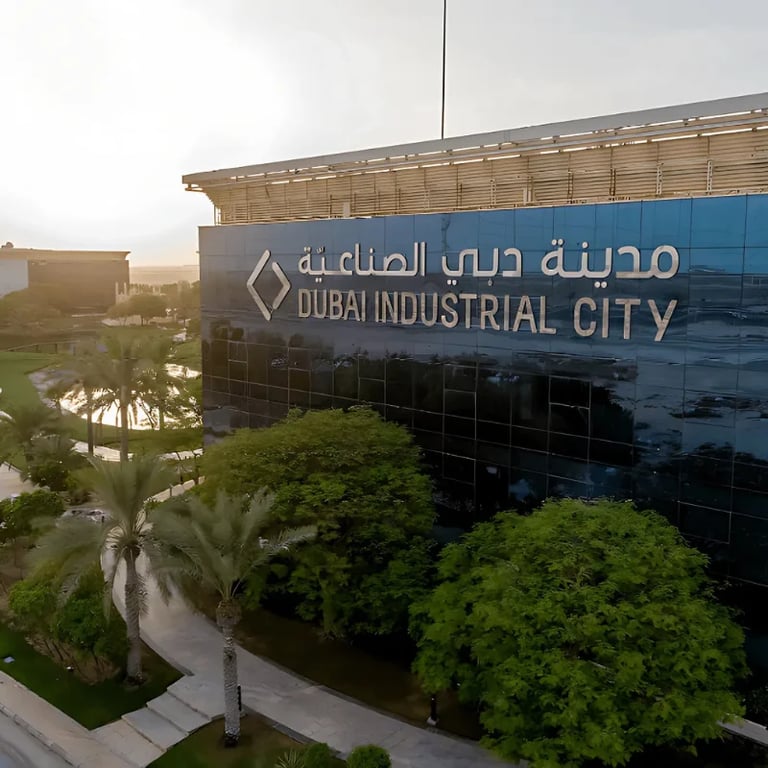
Facilities & Services In Dubai Industrial City
Facilities and services have recently been extensively extended in the Dubai Industrial City (DIC). They are made available to all businesses and residents within this area.
Facilities for Businesses
- Prefabricated Structures: Suitable for warehousing and light industrial activities, these come fitted with contemporary facilities.
- Work Stations: There are more than one type of work station available that range from bare shells to fully furnished office boxes in any business district.
- Staff Quarters: Temporary housing units are also made available for the companies that require housing for their workers.
Services offered
- Business Setup Assistance: Guidance on licensing, visas and compliance with other legal requirements for start-ups.
- Logistics Services: Convenient transportation owing to closeness to Al Maktoum International Airport and Jebel Ali Port, easing imports and exports.
- Utilities and Infrastructure: Good infrastructure in terms of roads, power and water management is in place.
Location Of Dubai Industrial City
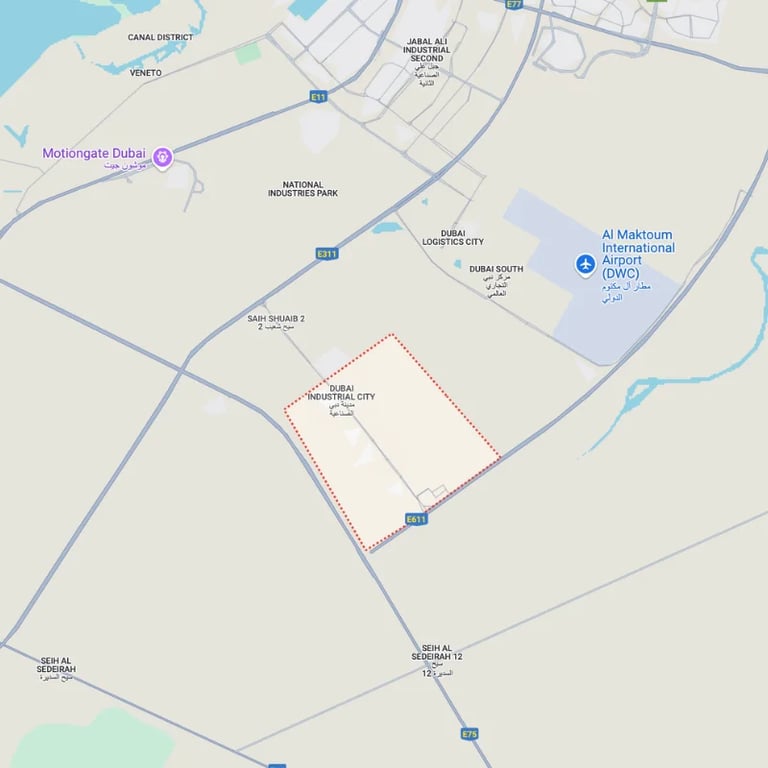
Situated in the south of Dubai, adjacent to Al Maktoum International Airport and close to Jebel Ali Port, Dubai Industrial City is positioned favorably. This allows an easy connection to transportation networks, with access to Sheikh Mohammed Bin Zayed Road (E311) and Emirates Road that enhances logistics and connectivity for businesses.
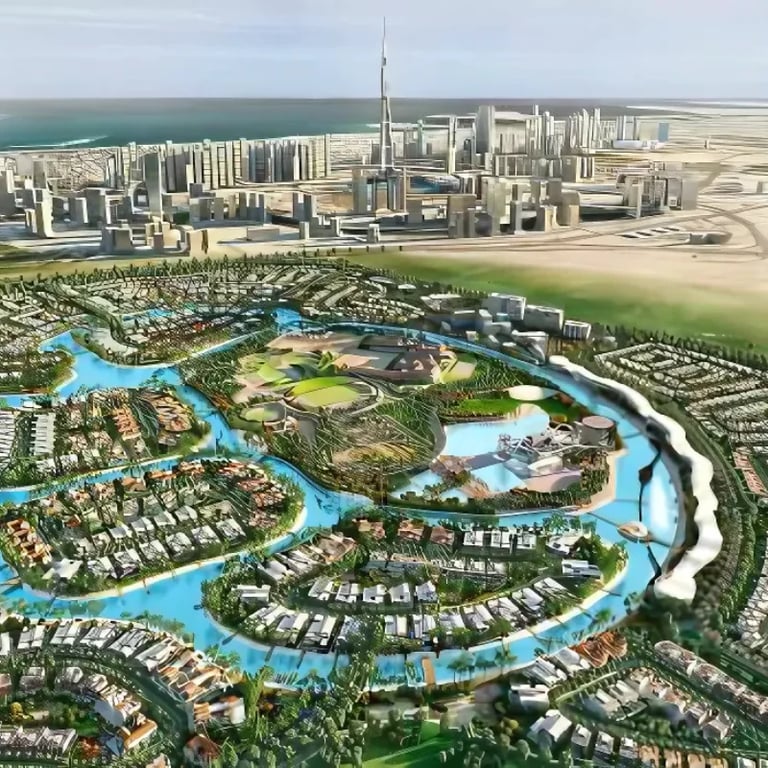
The area is designed to accommodate a wide range of industrial enterprises and is expected to support a significant residential population, enhancing its appeal as a self-sustaining community.
Why Invest In Dubai Industrial City?
Dubai Industrial City (DIC) which offers various benefits for both domestic and foreign investors, making it a viable choice for those considering the development of this region.
- Strategic Location
The DIC’s location is very strategic as it is close to major transportation nodes such as the Jebel Ali Port and Al Maktoum International Airport making it possible to easily reach other international markets by road, sea or air. Such a location serves to improve the logistics of companies involved in the industrial business.
- Business-Friendly Environment
The city presents a variety of inducement programs for businesses such as 100% foreign ownership, exemption from personal or corporate taxes and total repatriation of profits. Also, DIC allows tax free importation of equipment and raw materials, making it inexpensive for manufacturing and logistics activities.
- Diverse Property Options
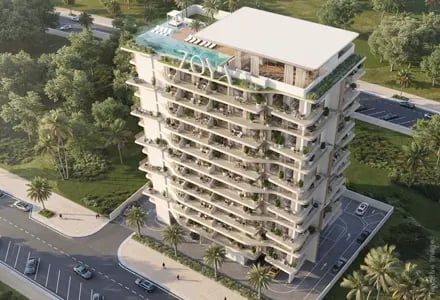
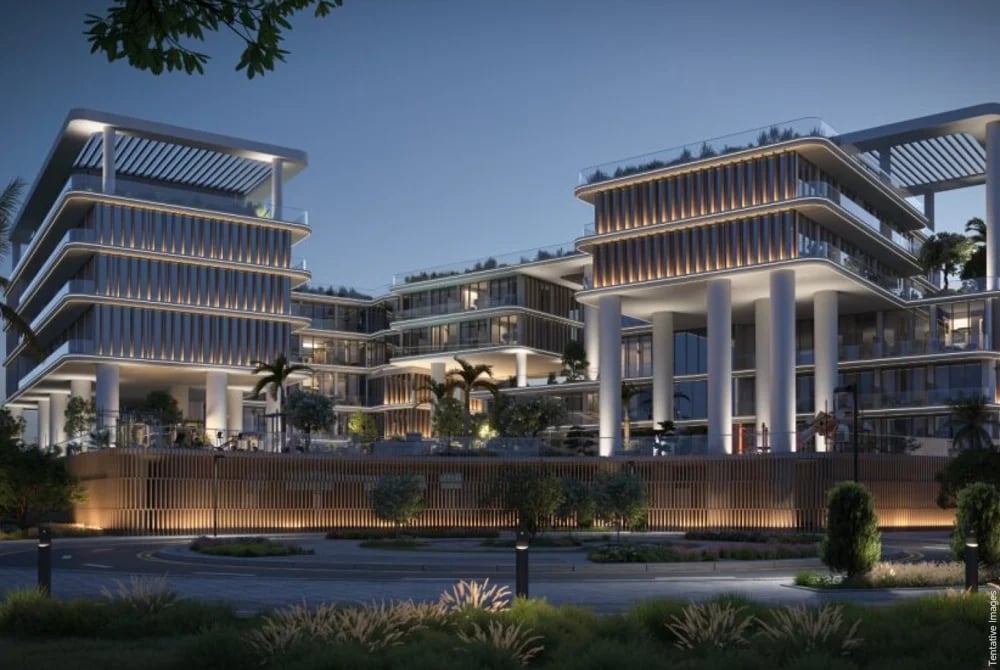
Investors have the option of various property categories such as industrial land, storage centres, office spaces, and housing units. The presence of quality housing units attracts people employed in the region, enhancing the social integration of the place.
- Growing Demand
Dubai’s economy has been expanding for some time, and with the current emphasis on manufacturing and logistics, demand for industrial space within DIC is increasing. There are over 700 companies and several factories in the city, showing a healthy industrial base that nurtures the investment stability in the nation.
- Infrastructure and Amenities
DIC has state of the art infrastructure incorporating cutting-edge telecommunication and other utilities. It also offers a range of important facilities like labour camps, commercial areas, and leisure activities enhancing the standard of living for both the workers and the residents.
To sum up, Dubai Industrial City integrates numerous strategic benefits, favourable conditions for running business, a variety of investments and a good resultant framework, which therefore makes it suitable and appropriate for an investor seeking to invest in the growing industrial sector of UAE.

